

Loyalty Program Software: SaaS, App, or Wallet Pass?
 By the Kemicard team
Three shapes of customer loyalty solution get compared against each other, and they are not equivalent. Each buys you something real and charges you somewhere else.
The three shapes
A standalone loyalty program SaaS gives you a scheme quickly, and gives you a second customer database to reconcile forever. A customer loyalty app gives you the richest experience and the worst adoption, because asking someone to install software at a counter loses most of them. A wallet pass sits in the app every customer already has, and — issued from your CRM — keeps one record per customer rather than two.
None of that makes one universally correct. It makes the trade explicit: speed against reconciliation, experience against adoption, reach against control.
Where the cost actually lands
- SaaS — fastest to a working scheme. The bill arrives later, as the permanent job of keeping two customer databases agreeing with each other.
- Branded app — best experience for the minority who install it. Most programmes never recover the audience lost at the app store.
- Wallet pass — no download, no login, and a card on the lock screen. The constraint is that the pass is a surface, not a whole application: it shows and it notifies, and the logic stays in your system of record.
Budget context matters here
Gartner's 2026 CMO Spend Survey found that spending on customer loyalty and retention has fallen 29% since 2024, to under 15% of total media spend, while awareness and conversion took 62.6%. Whatever one makes of that as strategy, it sets a practical constraint: a loyalty program now has to run without a dedicated team behind it. That favours a platform with no second database to reconcile over one that adds an integration to maintain.
Designing the loop, whichever you choose
Wallet-based loyalty works as a loop: earn, see, act. The earn side is your existing data — orders, visits, referrals — flowing into a points field. The see side is where the wallet changes the game: the balance updates within seconds of the record changing, so the reward feels immediate rather than buried in an app the customer deleted months ago.
The act side is push and proximity. A points milestone triggers a lock-screen message; a geofence surfaces the card when the customer is near a location; a seasonal campaign re-themes every issued card overnight by updating one template. None of it requires the customer to open anything — the wallet does the remembering.
Operationally, start by cloning a sample template, map your points and tier fields, and pilot with your best-customer segment from a standard report. Redemptions scan through the Kemicard Scanner or your existing barcode hardware, writing back so finance sees liability and marketing sees behaviour in the same place. Most teams go from install to live pilot inside two weeks.
Gamification, with one caution
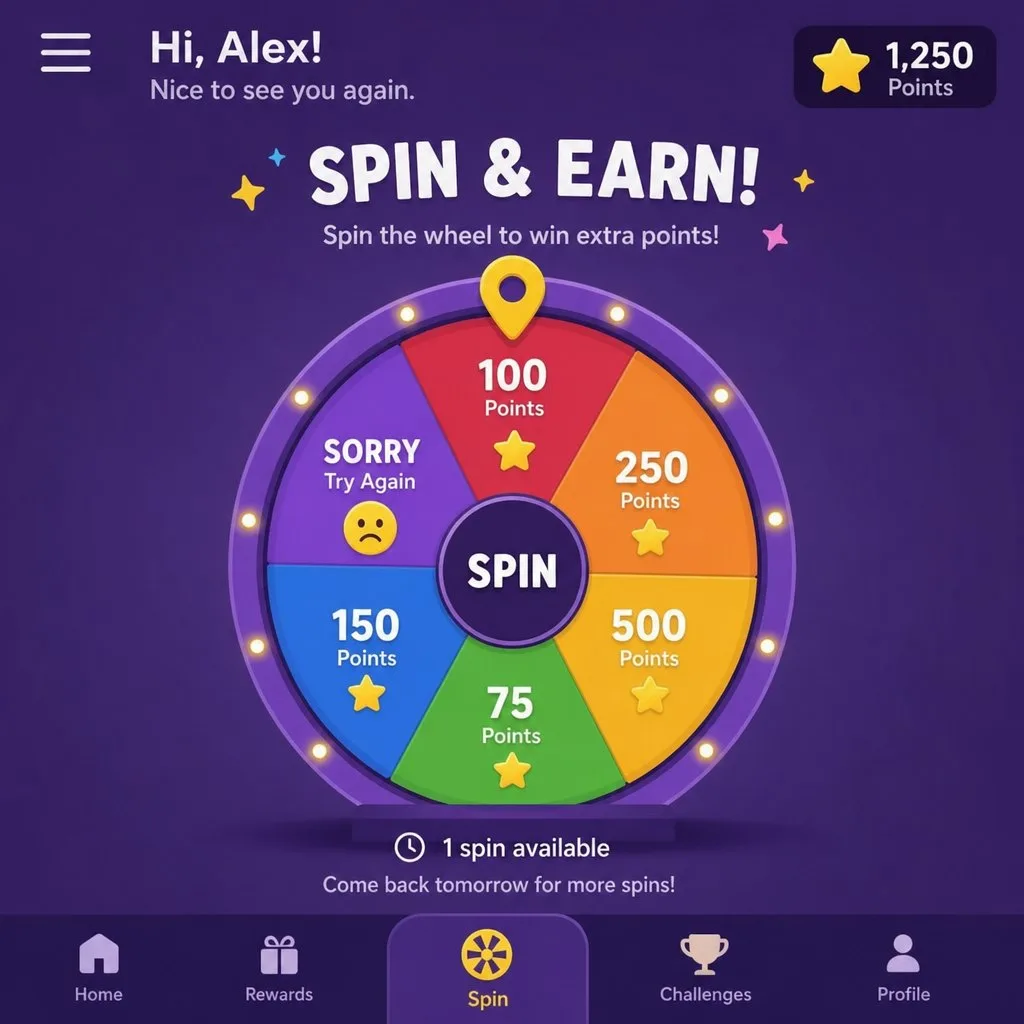
Gamified loyalty programs work here too — visit streaks, tier progress and challenge completions render on the pass and update as the record changes. The caution is the same one we give everywhere: gamification earns attention when the number reflects something the customer already cares about, and is ignored when it is a mechanic invented to extract behaviour.
Where Kemicard sits
Kemicard is the third shape. It is loyalty program software that runs inside Salesforce, so the card, the points balance and the purchase history are all facets of the same contact record. There is no loyalty platform to integrate, because the platform is the CRM you already run.
See the Salesforce loyalty programme platform, or compare Kemicard against other platforms. If tiers are the mechanic you are weighing, start with tiered loyalty programmes and why status works.
Sources: Apple's Showing a Pass on the Lock Screen; Google's Loyalty cards documentation.