

Apple Wallet Coupons & Google Wallet Offers: A Quick Guide
 By the Kemicard team
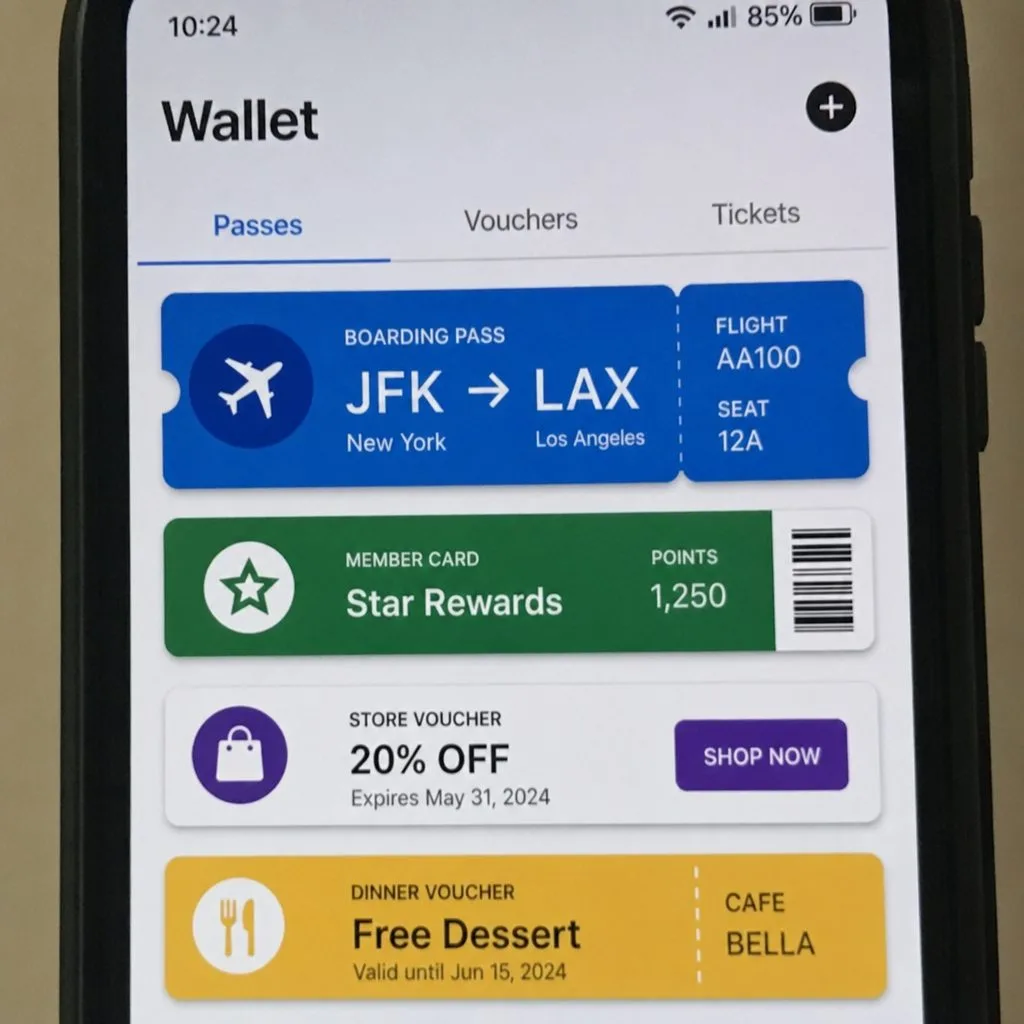
Paper coupons get forgotten and email offers get buried. A coupon wallet lives where customers already look every day — next to their payment cards. Here's the short version of how digital coupons, mobile wallet-delivered, actually perform.
Why wallet coupons outperform
- They're present — Apple Wallet coupons can surface on the lock screen near your store; Google Wallet keeps offers one swipe away.
- They update — change the offer, the expiry, or the artwork, and every issued coupon refreshes instantly. No reprints.
- They're measurable — every redemption scans back to the customer record, so you know exactly who redeemed what, where.
- They're controlled — redeemable mobile wallet offers can be limited by count, date, or device, killing the screenshot-and-share problem.
The eCommerce loop
For eCommerce, wallet coupons bridge online and in-store: a campaign email carries the add-to-wallet link, the coupon rides in the customer's pocket, and the in-store scan closes the attribution loop in your CRM — something a promo code alone never tells you.
From Sunday clippings to the coupon wallet
The way people save has transformed. Clipping paper discounts and hunting for promo codes in an inbox both fail the same way: the offer isn't there at the moment of purchase. Mobile wallet coupons fix the friction — the offer is saved, organized, and retrieved with a tap, sitting next to the customer's payment cards. Against traditional discount codes, the difference shows up directly in redemption rates: an offer that's one swipe away gets used; one that must be remembered gets forgotten.
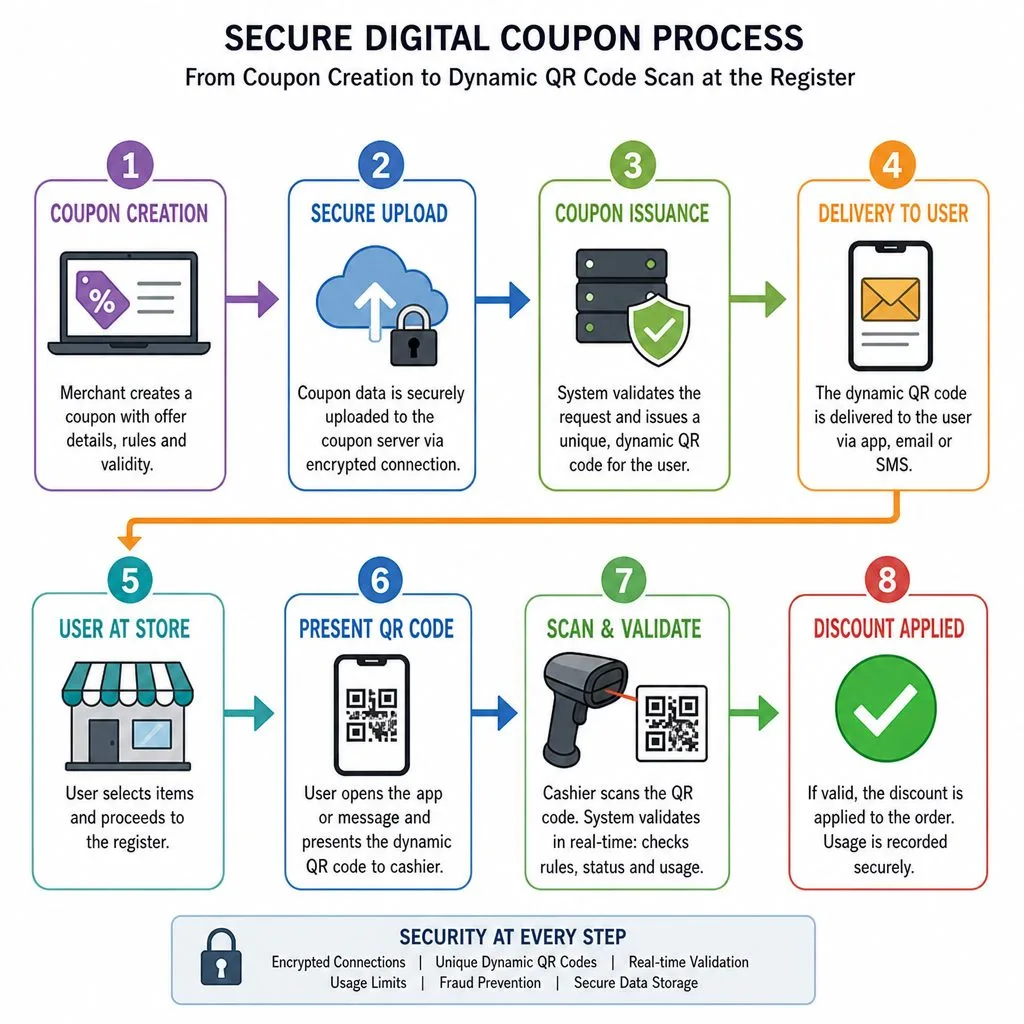
How customers save a wallet coupon
- They receive a promotional link — email, SMS, social, or a QR code in-store.
- They tap it, and the offer opens on their phone.
- They tap Add to Apple Wallet or Save to Google Wallet.
- The coupon files itself next to their payment cards — no coupons app to download.
Personalized, not blasted
Because each coupon is issued to a known record, offers can be tailored: a customized discount on something the customer actually buys converts far better than a generic 10%-off blast. And with geofencing, the wallet itself does the marketing — a customer walking near your store sees a lock-screen reminder that their 20%-off voucher is waiting.
Small business, big-brand experience
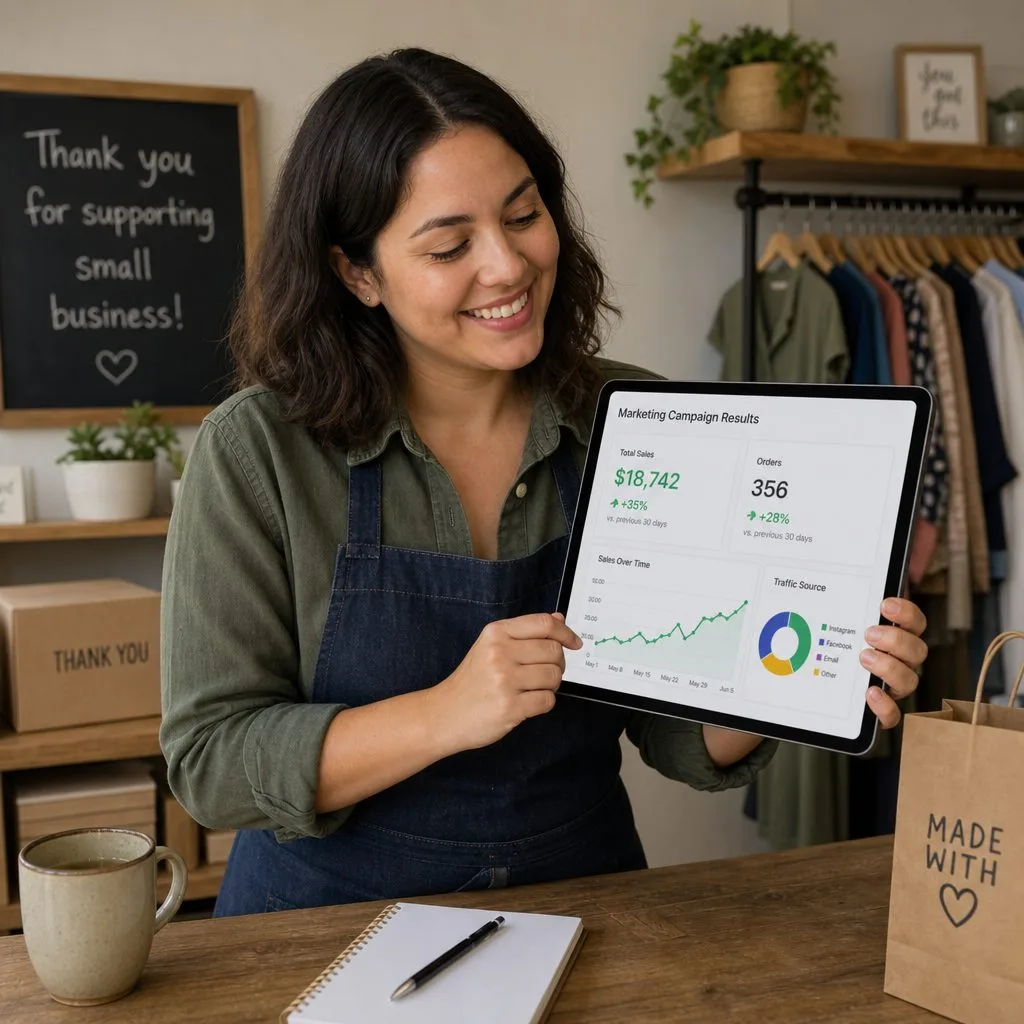
This technology is no longer reserved for national chains. A local café, boutique, or salon can offer a polished wallet experience without building an app — which is exactly why mobile wallet marketing levels the playing field for small businesses: every time the customer opens their wallet to pay, your logo is there.
A five-step campaign playbook
- 1. Define the goal — clear inventory, acquire customers, or reward loyalists; the goal dictates the offer type.
- 2. Design the pass — logo, brand colors, concise terms.
- 3. Issue from Salesforce — segment in a report, issue with a bulk action.
- 4. Distribute everywhere — email, SMS, social ads, table tents.
- 5. Measure and optimize — watch redemptions by channel, tweak offers and push timing.
Designing an offer that actually converts
The offer does more work than the channel. A wallet pass carrying a weak offer is a well-delivered weak offer.
- One clear action. If the customer has to work out what qualifies, they will not bother. "20% off any coffee before 11am" beats a tiered structure every time.
- A real deadline. Urgency is the difference between saving an offer and using it, and an expiry the pass can enforce is honest urgency rather than manufactured.
- Value that survives the margin conversation. Decide what redemption rate makes the campaign profitable before you launch, not after.
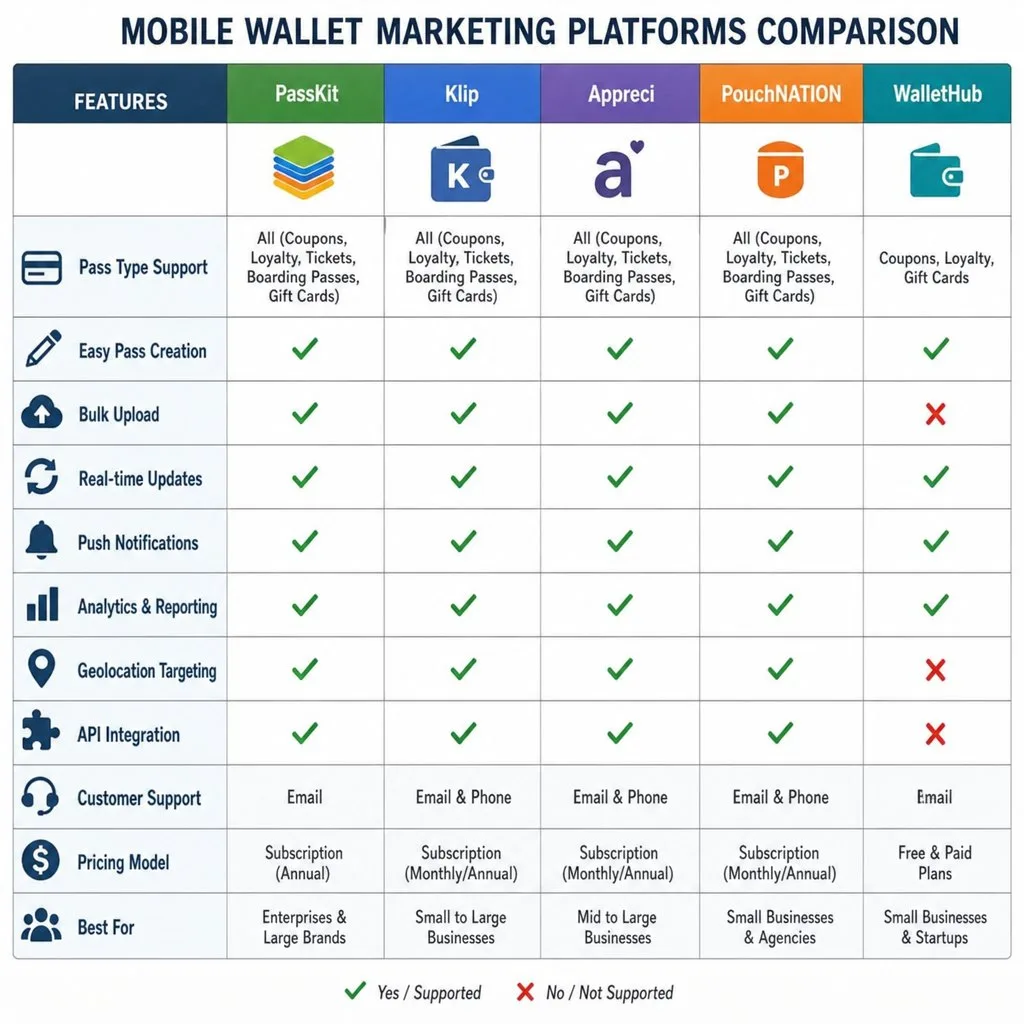
Redemption at the till
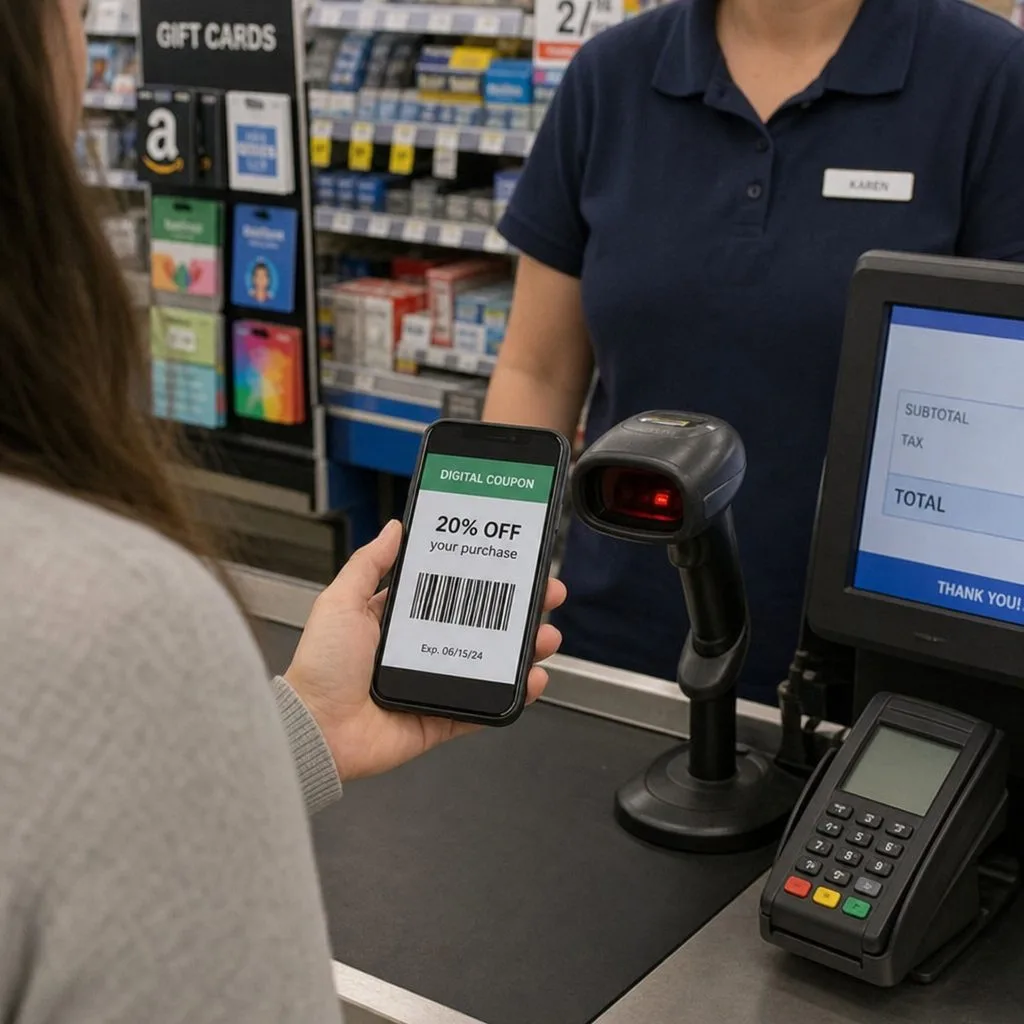
This is where paper-to-digital projects most often stall. The offer is beautiful and the cashier has no reliable way to accept it.
Scanning the pass against a live record solves both halves at once: the customer does nothing but present a screen, and the code cannot be reused, forwarded or photocopied into a second discount. Anything that relies on a member of staff reading a code and typing it will be slow at peak and inconsistent everywhere.
Fraud, and the size of the problem
- Screenshots — defeated by validating against the record rather than reading the image.
- Forwarding — per-recipient issuance makes a shared offer traceable, and single-use codes make it worthless the second time.
- Expired offers presented anyway — an expired pass simply stops validating, which removes the argument at the counter entirely.
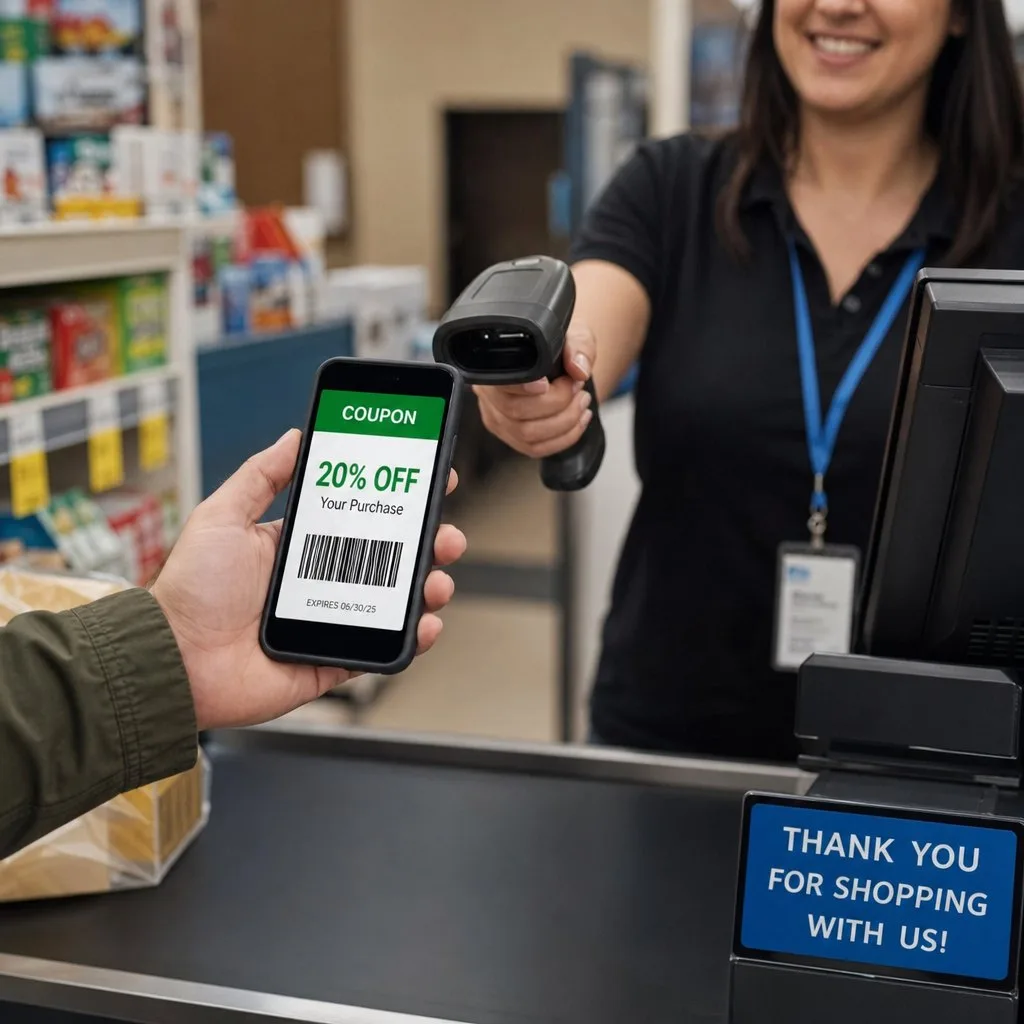
Running it from Salesforce
If your customers live in Salesforce, coupons should too: segment in a report, issue with a bulk action or a Salesforce Marketing Cloud journey, expire with a Flow. See digital coupons & vouchers for the full capability, and wallet loyalty cards for the companion play.
From paper voucher to universal hub
Coupons started as newspaper clippings, moved to direct mail, then to email, and are now settling into the wallet alongside boarding passes and membership cards. Each move solved the previous format's distribution problem while inheriting its measurement problem.
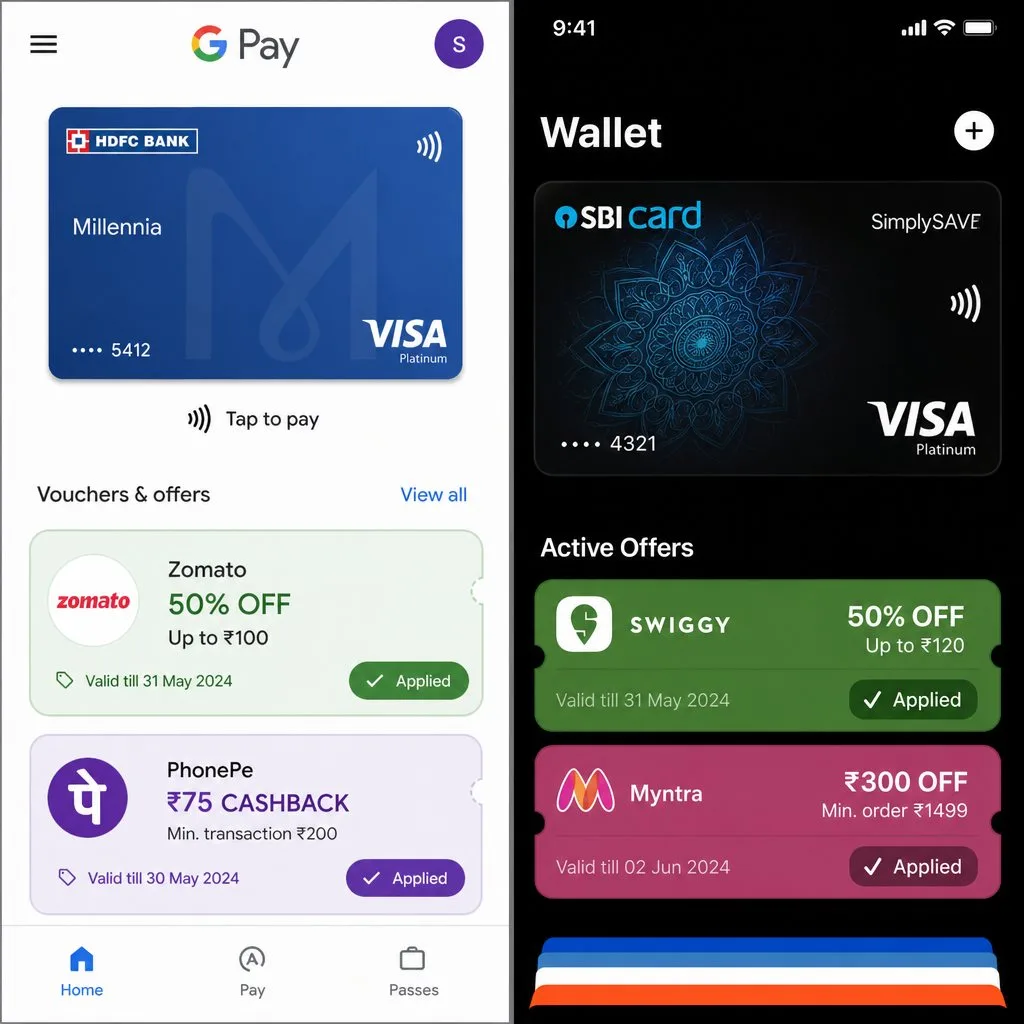
The wallet is the first format that fixes measurement rather than deferring it. Redemption is a scan against a live record, so single-use is enforceable, expiry is real, and the result is a data point rather than an estimate. It is also the first format the customer does not have to remember to bring.
Explore Kemicard
Product & solutions
Put an Offer in Every Pocket
Book a demo, test drive Kemicard, or start a free 30-day trial.
 Start Free Trial