

Electronic Tickets, Explained: Digital Access for Travel & Events
 By the Kemicard team
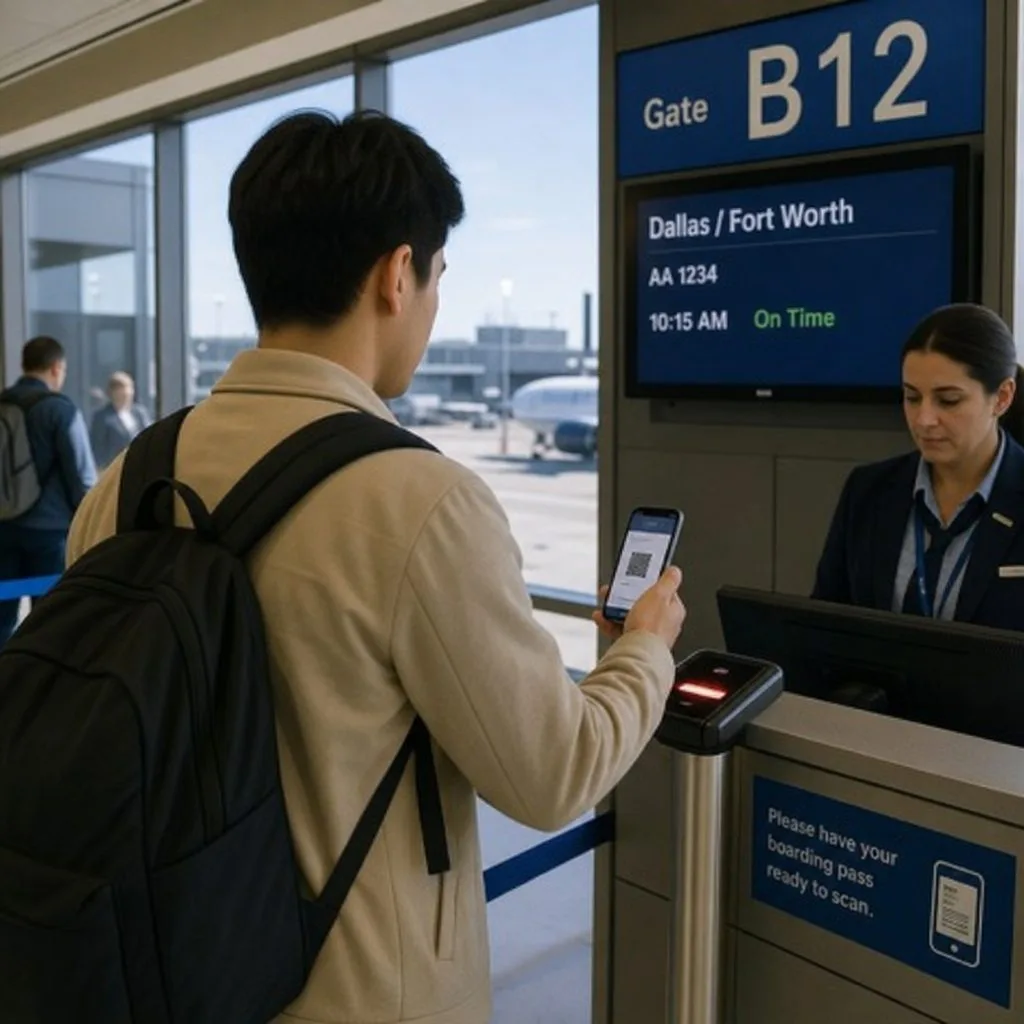
From boarding passes to stadium tours, electronic tickets are now the global standard for access. Here's how the technology works, the honest pros and cons versus paper, and what separates a good digital ticket from a PDF in an inbox.
Digital entry vs paper: the honest ledger
- Convenience — the ticket is on the device people check dozens of times a day, delivered instantly.
- Security — signed digital passes are far harder to forge, duplicate, or steal than paper.
- Liveness — a printed ticket can't tell you the gate changed; a wallet pass updates itself and notifies you.
- Sustainability — paperless booking eliminates printing, ink, and shipping at scale.
- Paper's residual case — no battery to die and a keepsake quality; smart programs keep a fallback lane for both reasons.
How the technology works
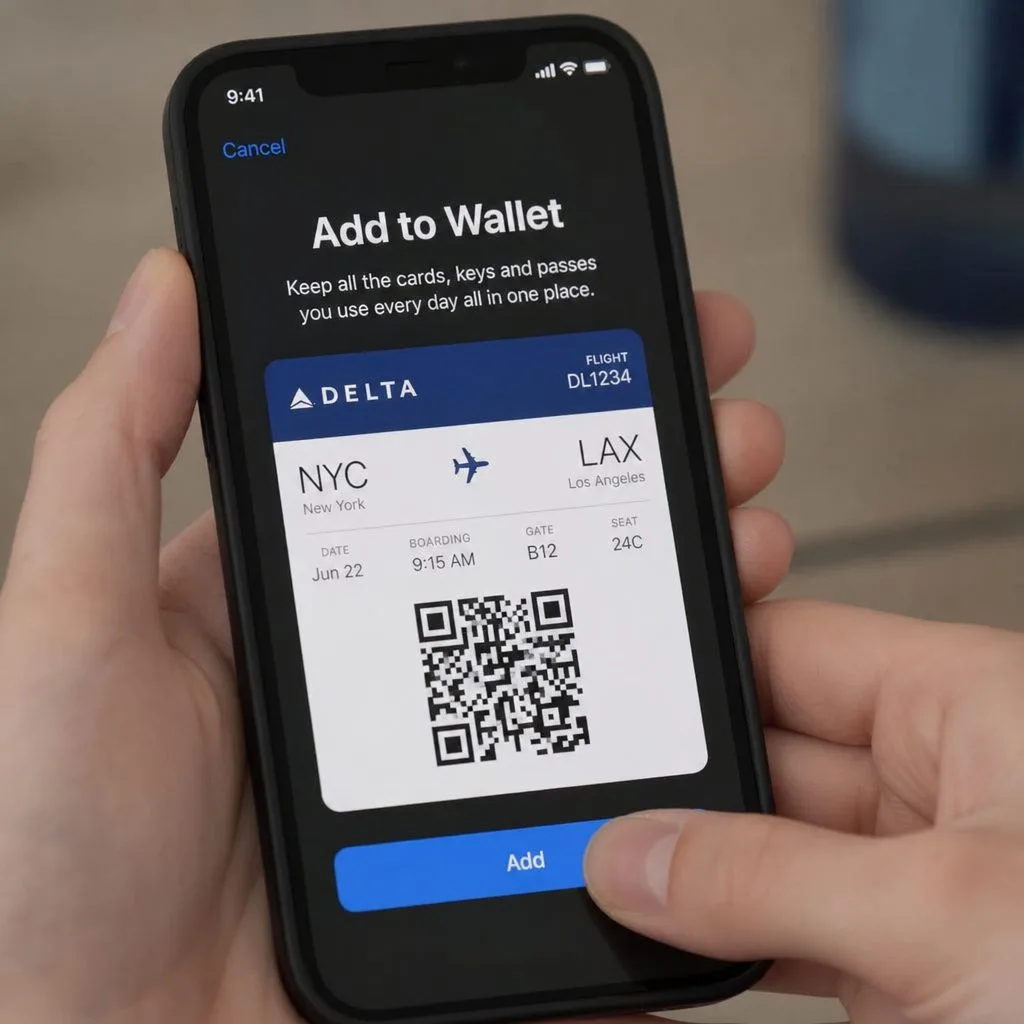
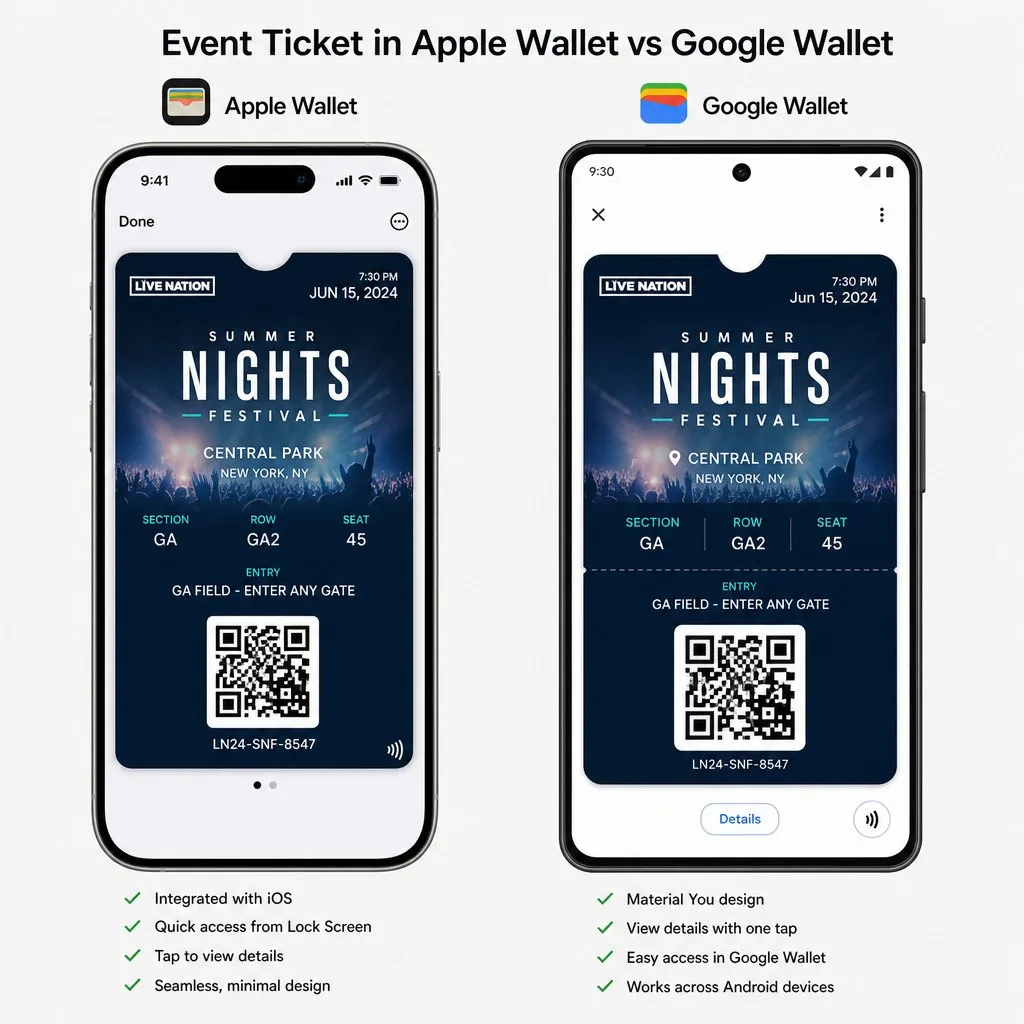
An e-ticket is a record in the operator's system, represented by a barcode or QR code on the traveler's phone. The wallet layer adds what email delivery can't: offline display (the barcode renders without signal), lock-screen surfacing at the right time and place, and silent updates when details change. At the gate, the scan validates against the live record — used tickets and cancelled bookings fail instantly (see pass security explained).
Traveler tips that prevent gate drama
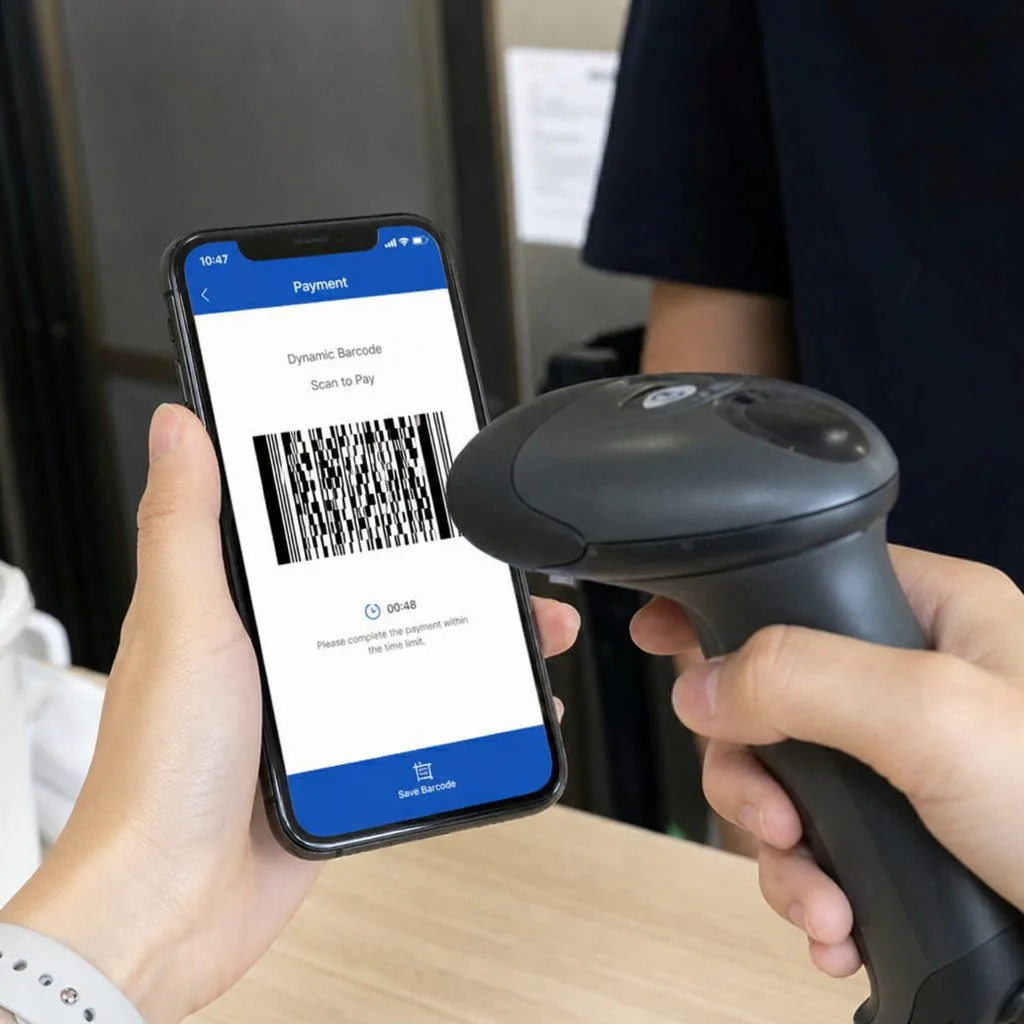
Add tickets to the wallet at booking time rather than hunting through email at the gate; screenshots are a last resort (they don't update and may be rejected where dynamic codes are used); and brightness up for outdoor scanners.
For event and travel organizers
Issuing from your CRM means the ticket, the attendee, and the check-in live on one record. Kemicard turns Salesforce records into wallet tickets with QR validation and scan-back — the full story on event ticketing and events & entertainment.
More on how we use wallet tickets at our own events: Kemicard events & conferences.
The retrieval problem nobody plans for
Most e-ticket failures are not technical. They are retrieval failures: the ticket is in an email, the email is in an inbox, the inbox is behind a login, and the signal at the venue door is poor. The attendee is not disorganised — the format is.
A wallet pass fixes exactly this. It is one swipe from the lock screen, works with no connection at all, surfaces itself when the time and place are right, and brightens the screen for the scanner without being asked. Same barcode, entirely different experience at the point it matters.
What organisers get in exchange
- No printing, posting or reissuing. A lost ticket is a resent link, not a support ticket.
- Fraud that is worth committing becomes rare. Codes validated against a live record fail on second use.
- A channel that stays open. Gate changes, delays and upgrades reach the pass after issuance.
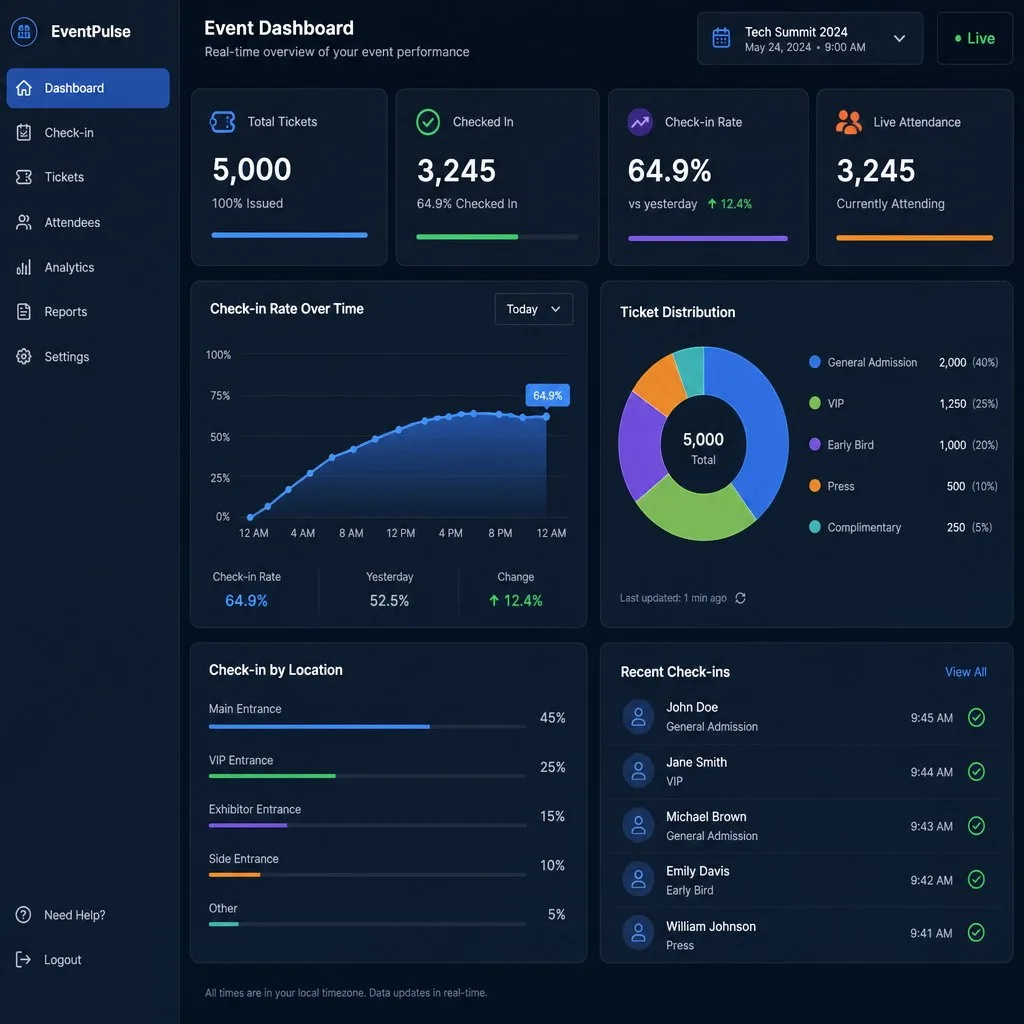
- Attendance you can count. Scans are data, and data is the difference between a report and an anecdote.
Why online ticketing kept the paper problems
Moving ticket sales online solved distribution and left verification exactly where it was. The buyer received a PDF, printed it or screenshotted it, and the door staff checked a picture against a list. Faster to deliver, no harder to forge.
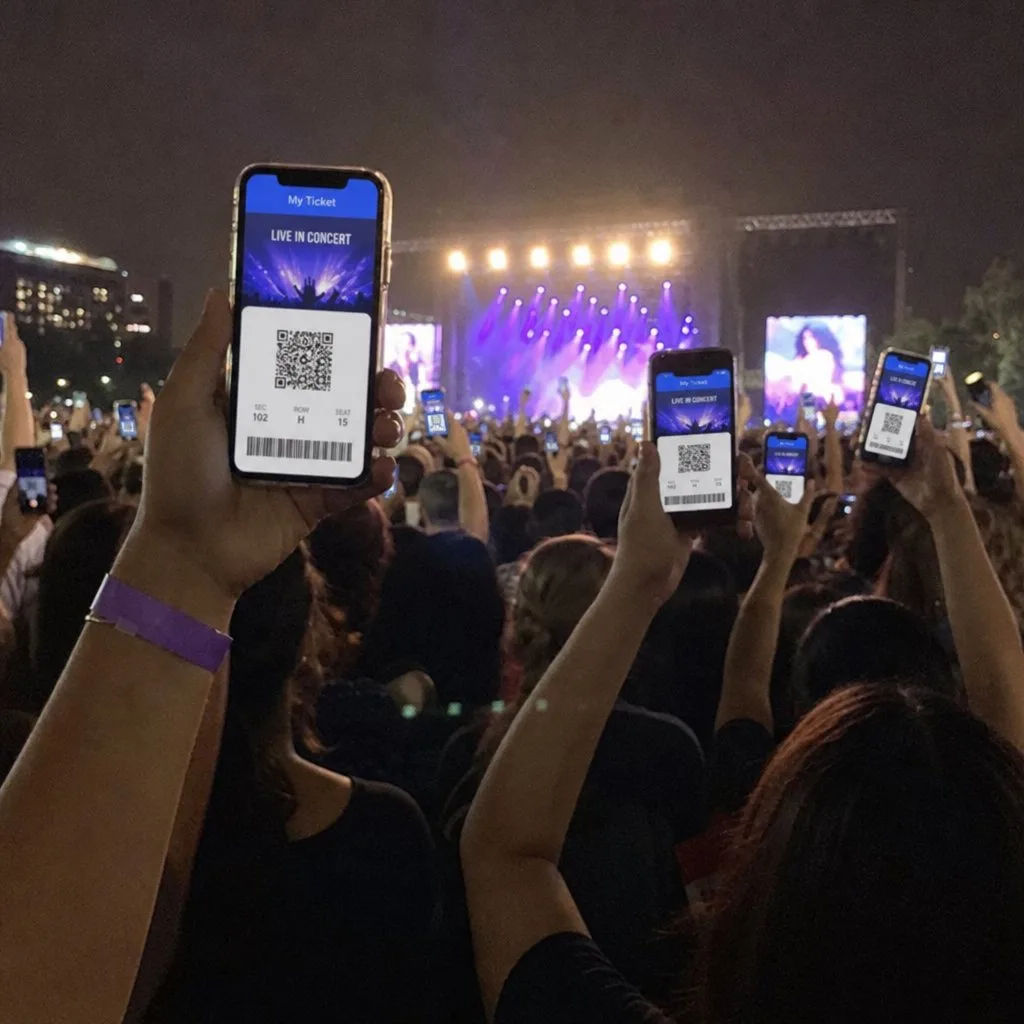
The step that mattered was making the ticket resolve to a record. Once the scan asks "is this credential valid right now?" instead of "does this barcode look right?", duplicates fail, transfers become manageable, and lost tickets stop being a support queue — the holder simply gets it reissued to the wallet they already have.
Explore Kemicard
Product & solutions
Access, Without the Paper
Book a demo, test drive Kemicard, or start a free 30-day trial.
 Start Free Trial