

Physical vs Digital Membership Cards: Do You Still Need Plastic?
 By the Kemicard team
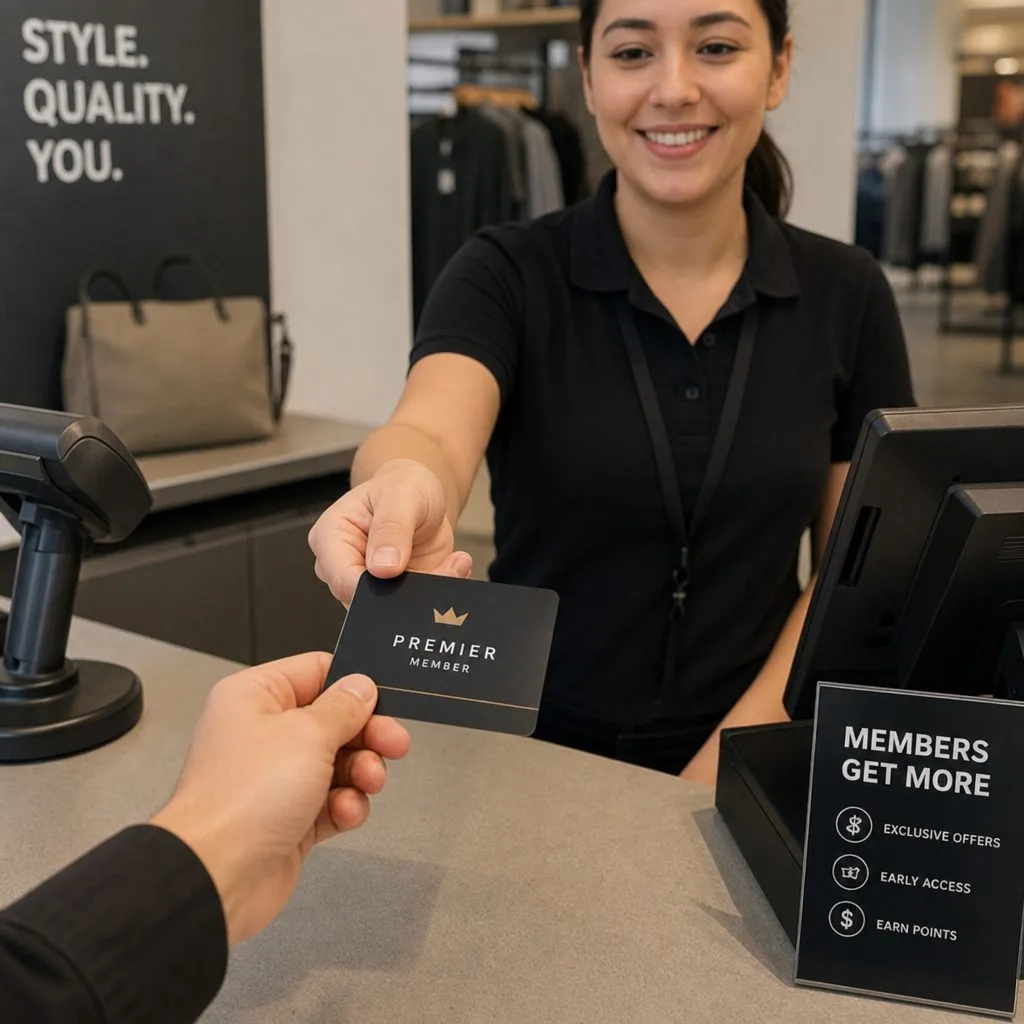
An honest answer to the format debate: physical cards still carry real psychological weight — and digital passes win almost everything else. The best programs don't pick a side; they sequence the two deliberately.
The case for physical
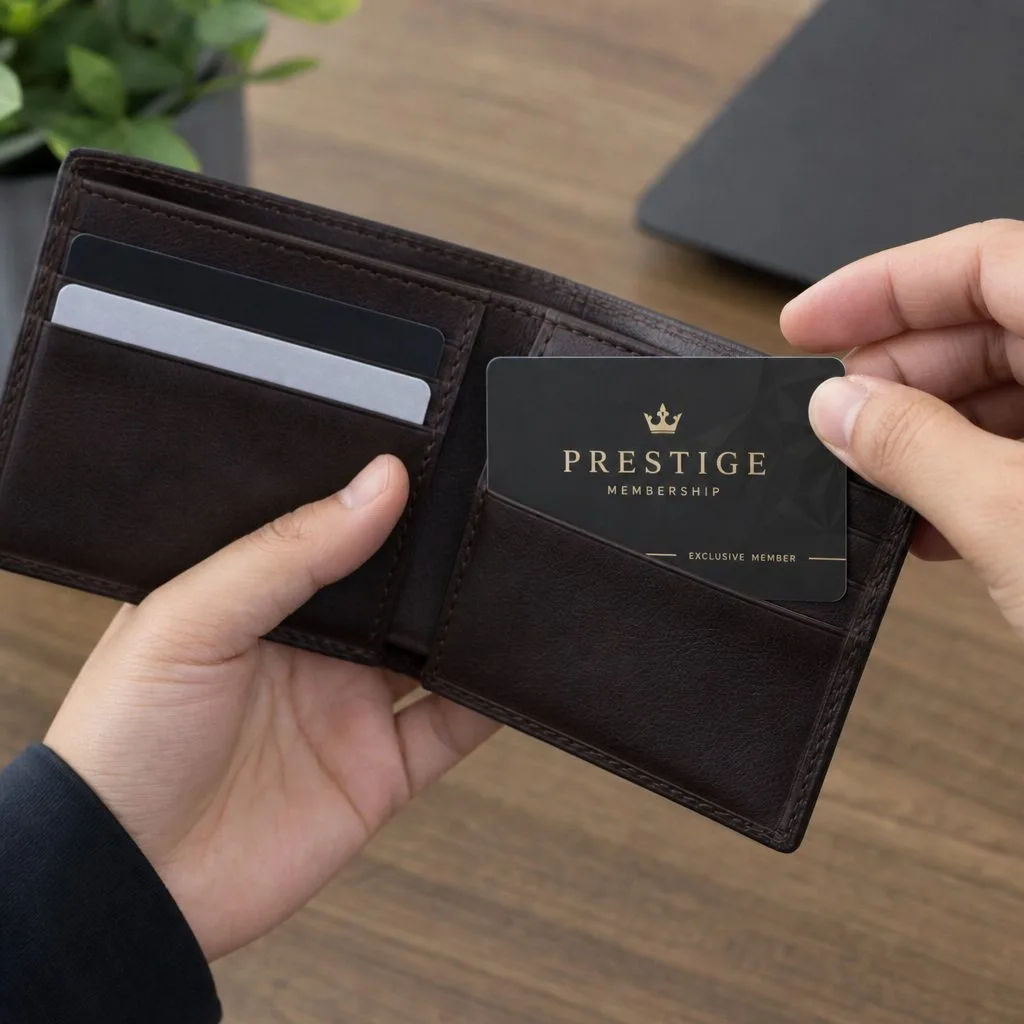
A well-crafted card in the hand creates ownership and belonging that pixels struggle to match. Metallic foils, textures, and heavyweight stock signal prestige — a premium physical card at sign-up is a gift, a miniature billboard in the wallet, and for eco-conscious brands there are recycled PETG, bioplastic, and even wooden alternatives to standard PVC.
The case for digital
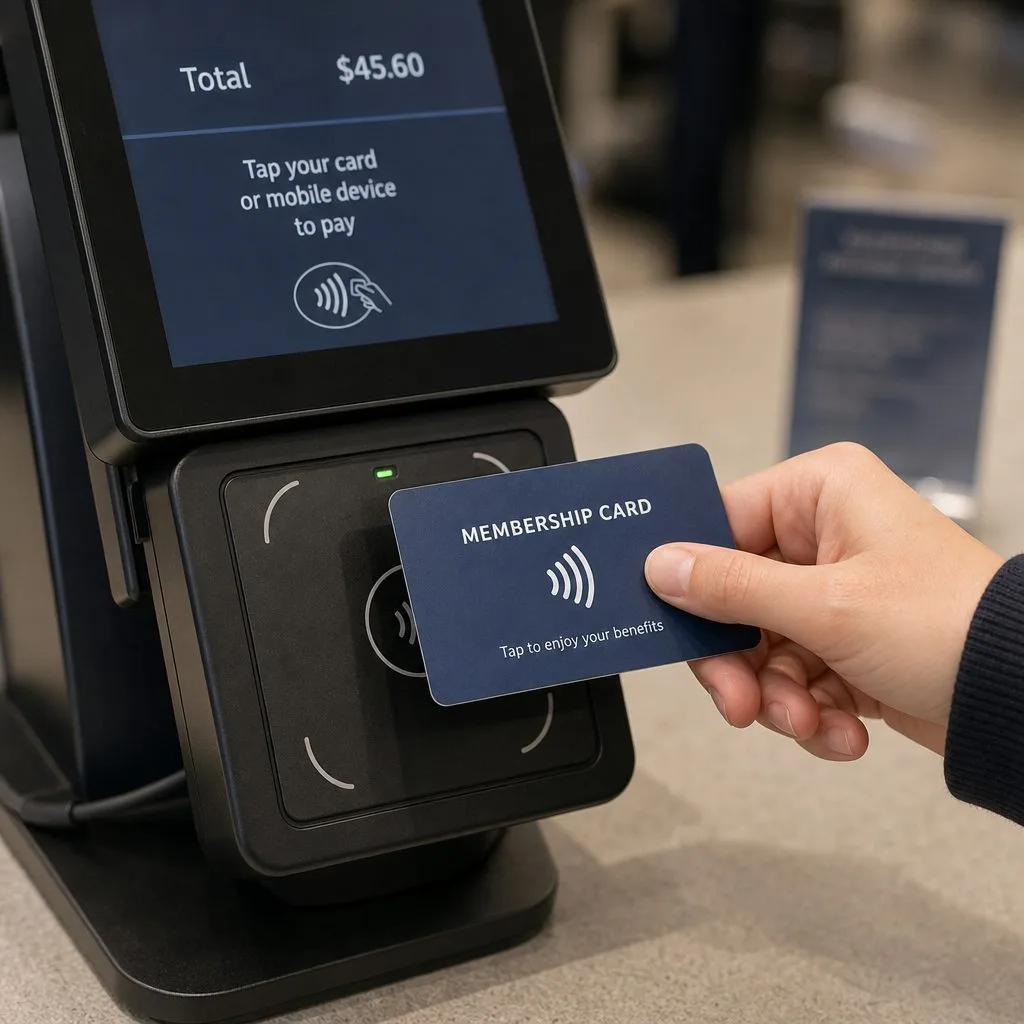
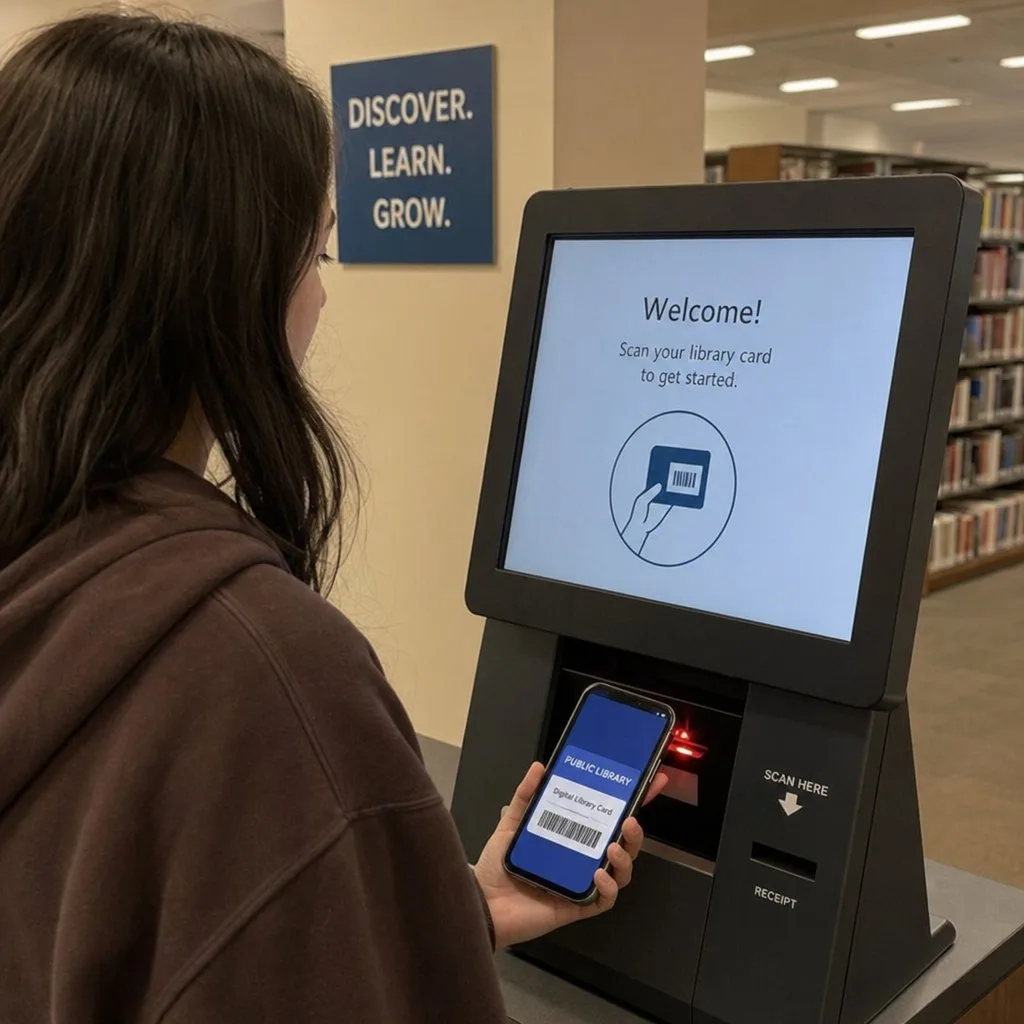
Everything operational favors the wallet pass: it can't be lost or left at home, costs nothing to issue or replace, updates itself when tier or expiry changes, carries current benefits on the back, pushes messages to the lock screen, and validates against the live record at every scan. Plastic is static the moment it leaves the printer; the digital card is alive for its whole life (how it works).
The hybrid answer
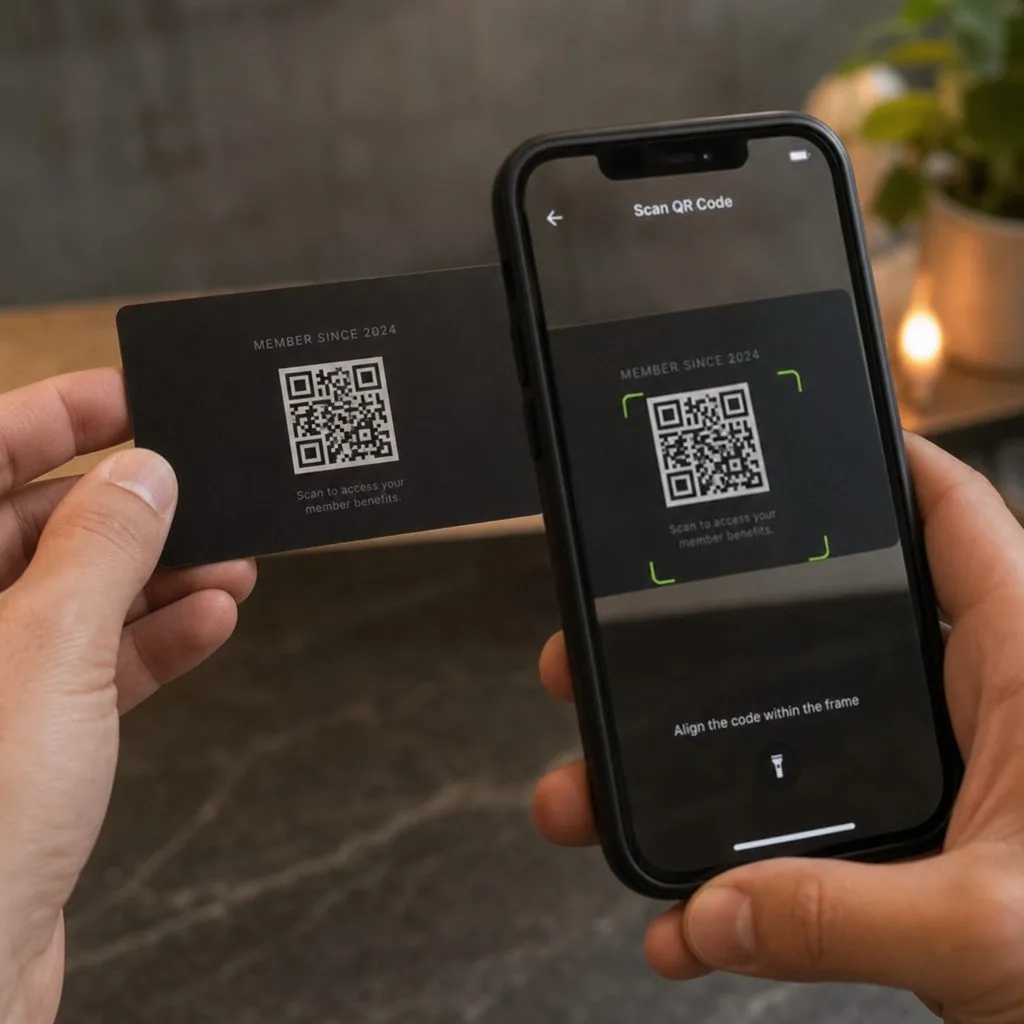
The pattern that works: digital-first for every member (one tap, day one, zero marginal cost), premium physical for top tiers where the object itself is part of the reward, and plastic-on-request as the accessibility fallback. The wallet pass carries the barcode and live data; the physical card carries the prestige.
Run both from one record
Whatever the format, the member is one Salesforce record. Kemicard issues the digital half natively — tier designs, renewals, push updates — while your print vendor works from the same data for the physical few. Start with digital membership cards and the complete guide.
Explore Kemicard
Product & solutions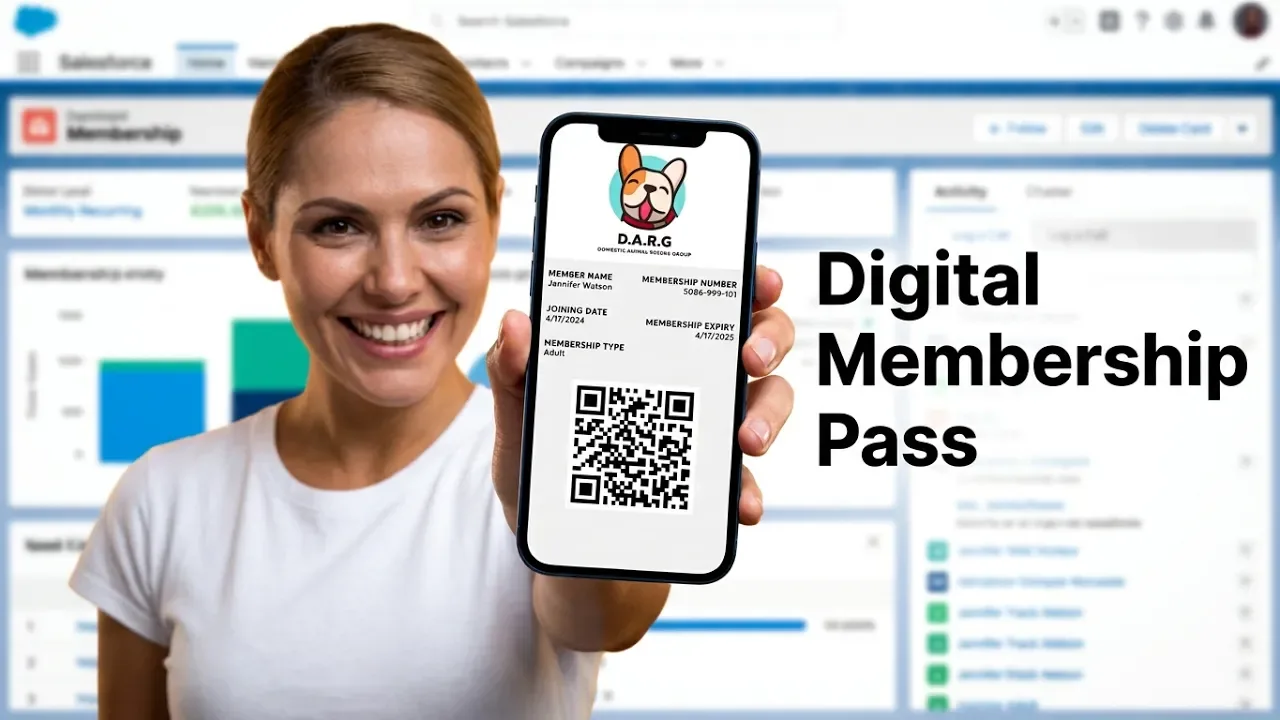
Digital First. Plastic Where It Counts.
Book a demo, test drive Kemicard, or start a free 30-day trial.
 Start Free Trial