

The Seven Stages of Event Planning

 By the Kemicard team
Most event problems are scheduling problems wearing a disguise. Something that should have been decided in stage two gets decided in stage six, under time pressure, by whoever is available. A stage model is useful less as a process to follow than as a way of noticing when you are doing the wrong work at the wrong time.
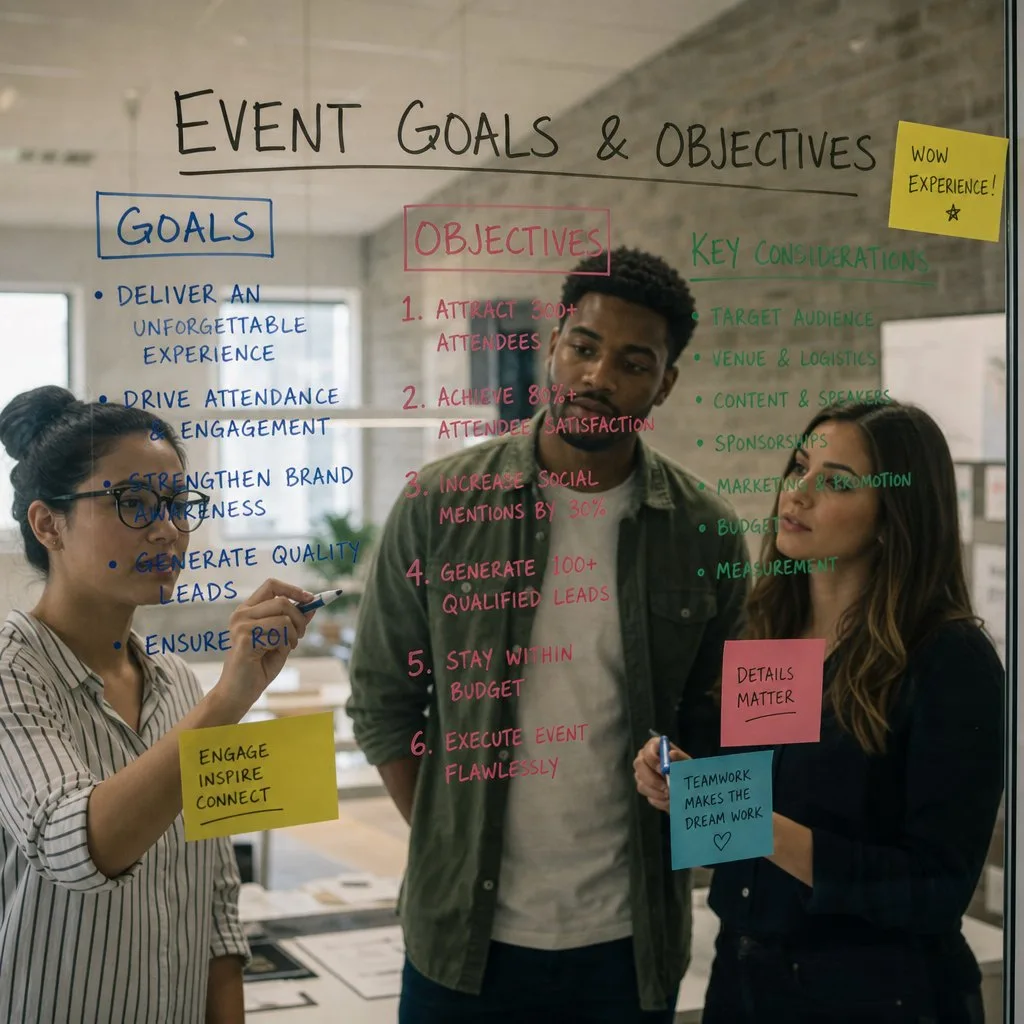
1. Goals, before anything else
The question is not "what event shall we run" but "what has to be different afterwards". Pipeline, renewals, community, education, revenue — each of those produces a different event, and an event trying to do all four does none of them.
Write the success measure down at this stage, while it is still cheap to be honest. If nobody can say what number would make this a success, that is worth knowing in week one rather than week twenty.
2. Budget, including the part everyone forgets
Venue, catering, speakers and production are the easy lines. The ones that get missed are contingency, staff time, and the cost of the follow-up work after the event — which is where the return actually comes from and is routinely unfunded.
A useful discipline: budget the follow-up before the party. It is the first thing cut and the last thing that should be.
3. Venue and suppliers
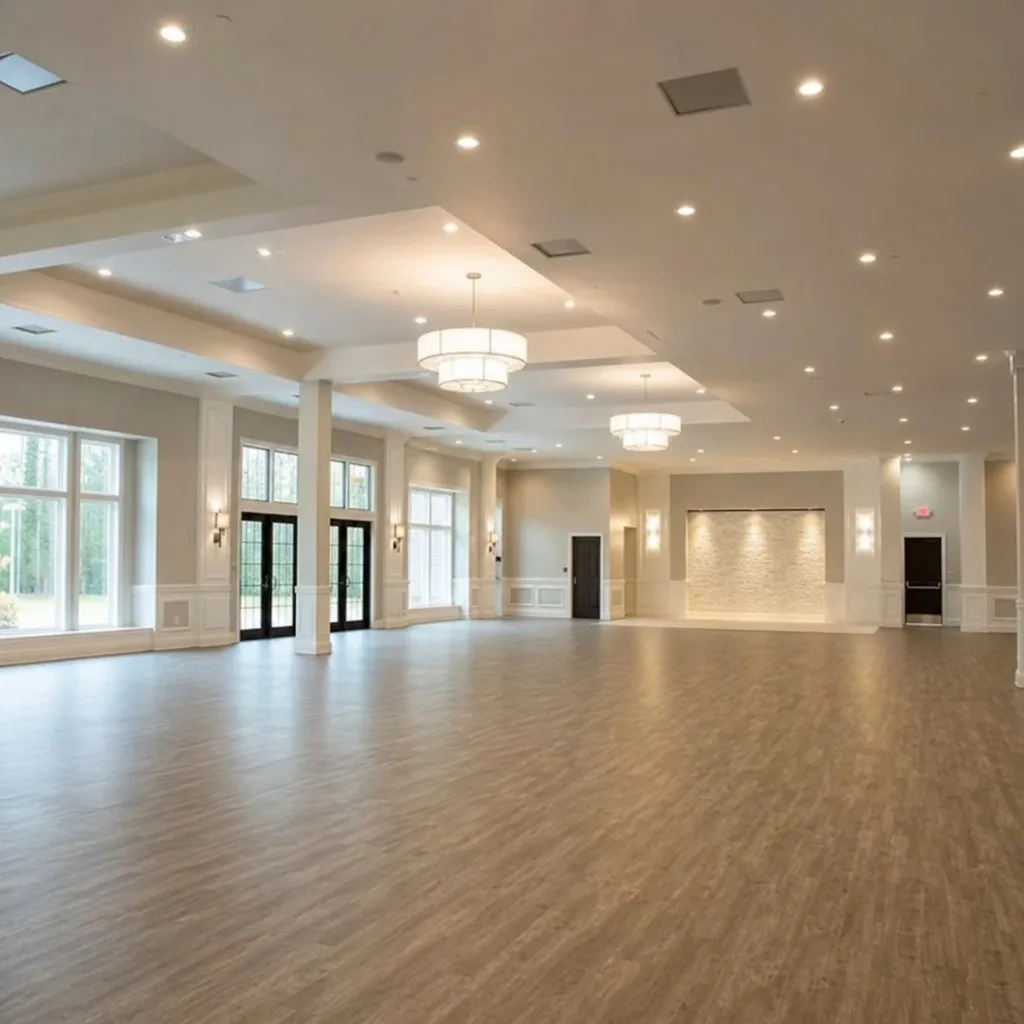
Capacity, accessibility, transport, and — for anyone running digital check-in — connectivity at the entrance. That last one is checked far too late by far too many organisers. Ask about wi-fi at the door and mobile signal in the foyer during the site visit, not on the morning.
4. Logistics
The unglamorous stage where most of the risk lives. Run sheets, ownership for every element, and a decision log so that in stage six nobody is re-litigating something settled in April.
- Name an owner per element. Shared ownership is no ownership at 7am on the day.
- Write the failure plan. Speaker cancels, weather turns, system goes down. Thirty minutes now saves an hour of improvisation later.
- Decide the ticket model here, not during marketing. Tiers, capacity and access rights shape the registration form.
5. Marketing and registration
Registration is where the data model of the whole event is set. If sign-ups land somewhere disconnected from your CRM, everything downstream — segmentation, follow-up, attribution — becomes manual work.
This is also where tickets get issued. A ticket that lives in the attendee's wallet rather than in their inbox removes the single most common cause of queue delay on the day. See how to create event tickets.
6. On the day
Execution is mostly about information reaching people fast. Staff need to know what is changing; attendees need to know where to be.
- Staff the door to the arrival curve, which you can only do if you are measuring arrivals as they happen.
- Use the channel you already have. A wallet pass reaches every attendee's lock screen — room changes, delays, and the session that has space.
- Keep a manual fallback for check-in. Scanners fail; a queue must not stop.
7. Evaluation and follow-up
The stage that determines whether the event was worth running, and the one most likely to be skipped because everyone is tired.
Attendance data makes it straightforward: who registered, who came, which sessions held the room, who never arrived. Those are three different follow-up audiences and they should not receive the same email. See attendance tracking.
Where the record lives
If registration, tickets and attendance all write to the same Salesforce records, stages five to seven stop being separate systems that need reconciling. See event ticketing and events and entertainment.
FAQ
- How far ahead should planning start? Large conferences commonly run nine to twelve months; a members' evening runs in weeks. The stages are the same; the durations are not.
- Can stages overlap? Constantly. The model is about sequence of decisions, not calendar blocks.
- What is the most common failure? Deciding the ticket and data model during marketing rather than during logistics.
Explore Kemicard
Product & solutions
Run Events on Your Own Salesforce Data
Book a demo, test drive Kemicard, or start a free 30-day trial.
 Start Free Trial