

Event Attendance Tracking: Past the Clipboard and the Guess
 By the Kemicard team
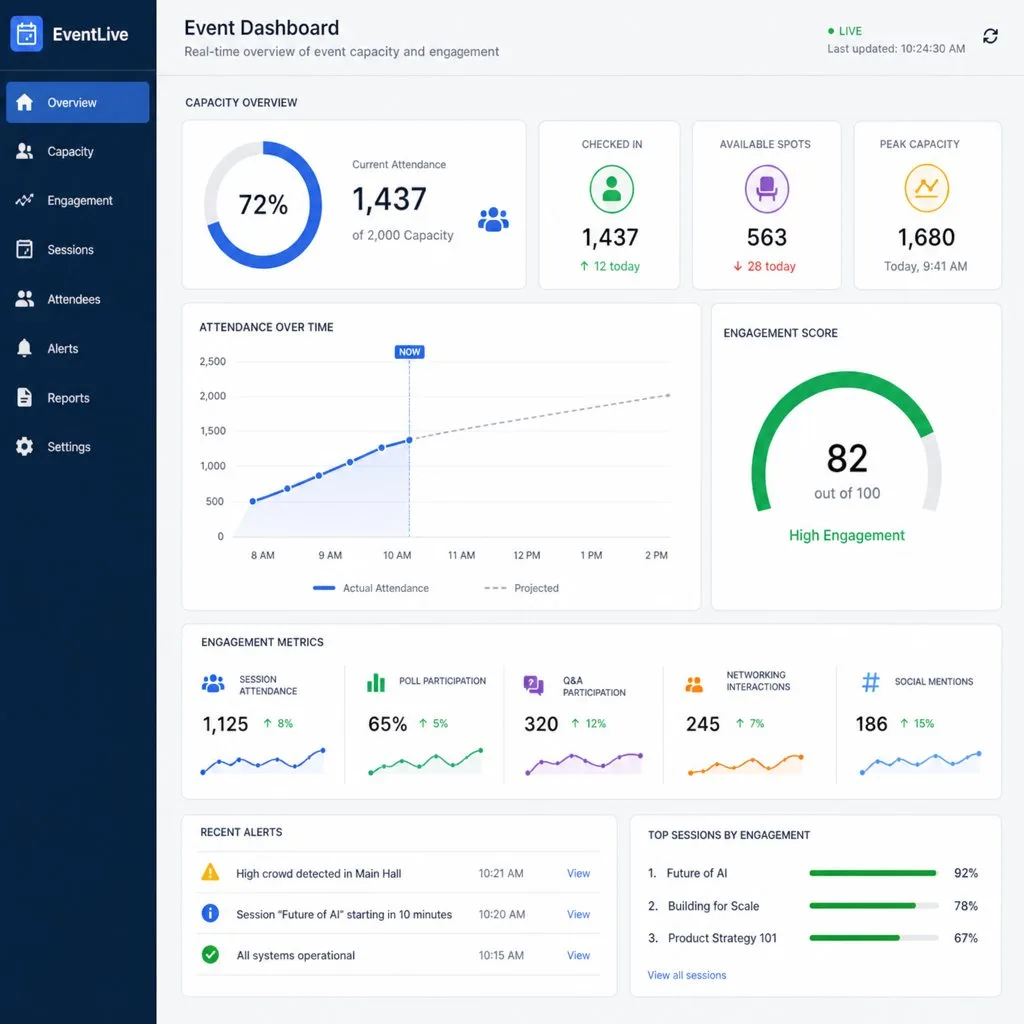
Knowing exactly who walked through the door — and which sessions they actually attended — turns a tedious admin chore into the most useful data your event produces. Manual headcounts cannot give you that.
Why the paper list keeps failing
Printed lists get lost, damaged and misread. Worse, they are a snapshot: the list printed twenty-four hours before the doors open does not know about the transfers, cancellations and walk-ins that happened since.
Digital sign-in changes the shape of the problem. Connect pre-event registration to day-of execution and every device shows the same current roster — front desk, session doors, VIP lounge. One source of truth, updated as things change.
First impressions are formed in the queue
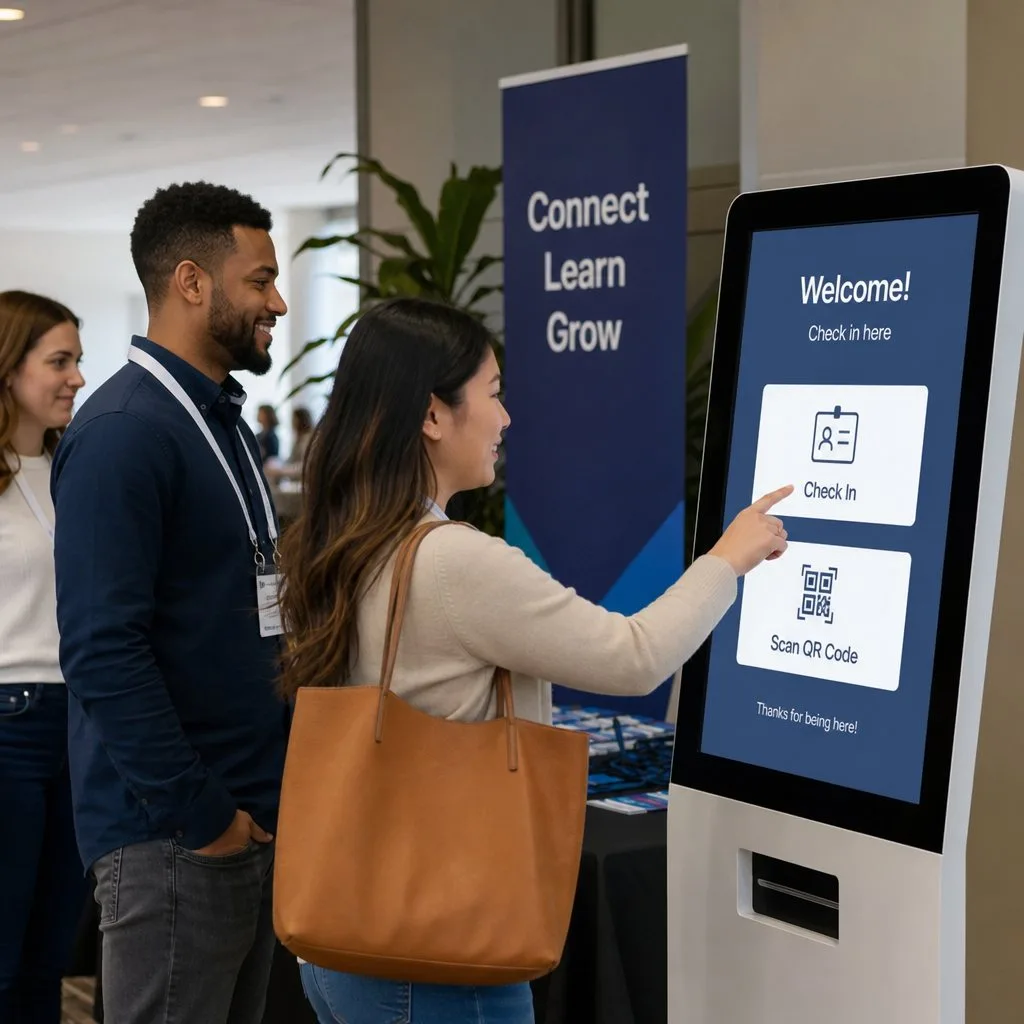
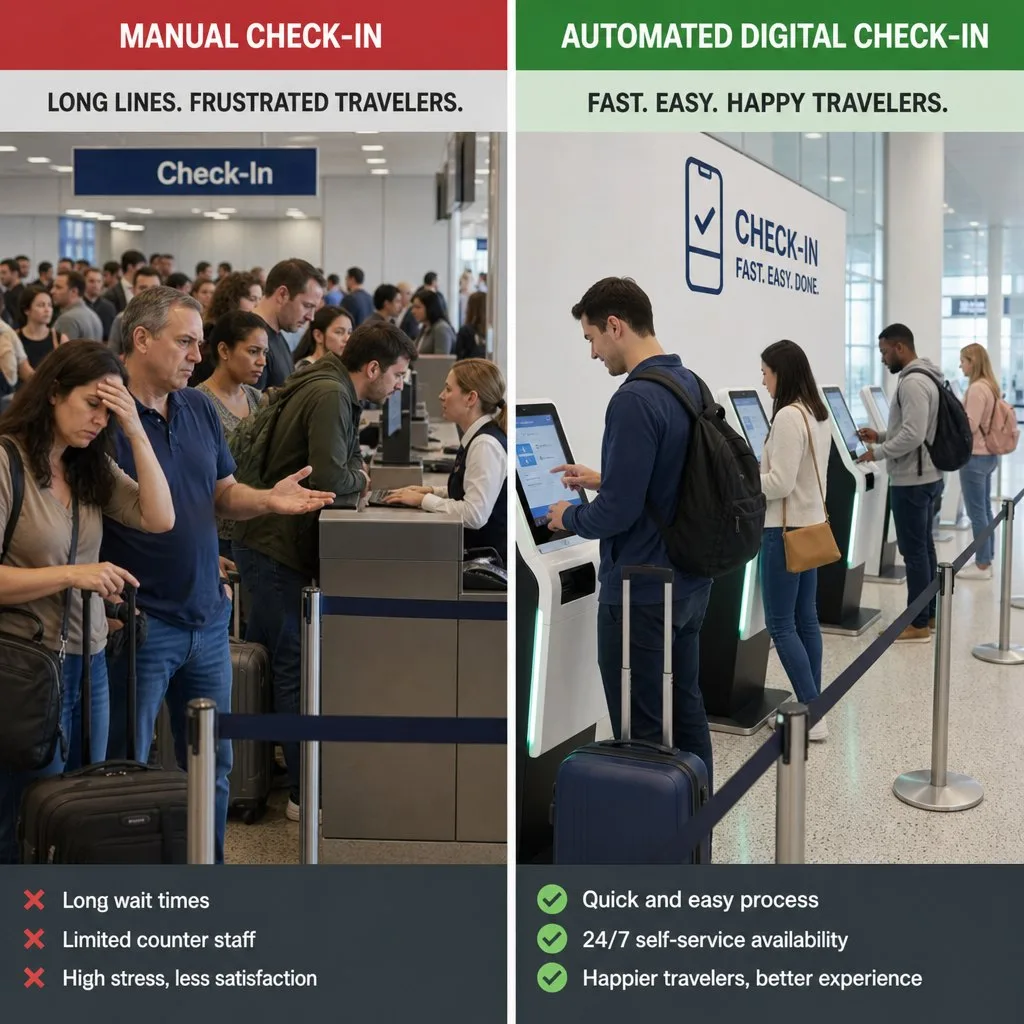
Attendees judge an event within five minutes of arriving. A chaotic entry colours everything that follows. Scanning a wallet pass takes a couple of seconds per person, needs no lookup by surname, and does not care whether the person remembered to print anything.
What you learn that you could not before
- Real arrival curves — when the rush actually happens, so next year you staff for it.
- Session-level attendance — which talks filled and which were optimistically scheduled.
- No-show rate by segment — the difference between registered and attended, per ticket type.
- Dwell and flow — how people moved between zones, if you scan at more than one point.
- Follow-up that reflects reality — you can email people about the session they attended rather than the one they booked.
Safety, and the question nobody wants to answer live
In an evacuation, "how many people are in the building?" needs an answer in seconds. Scan-based attendance gives you a live number and a list. A clipboard gives you an estimate and a search through the venue for whoever was holding it.
Write-back is the part that matters
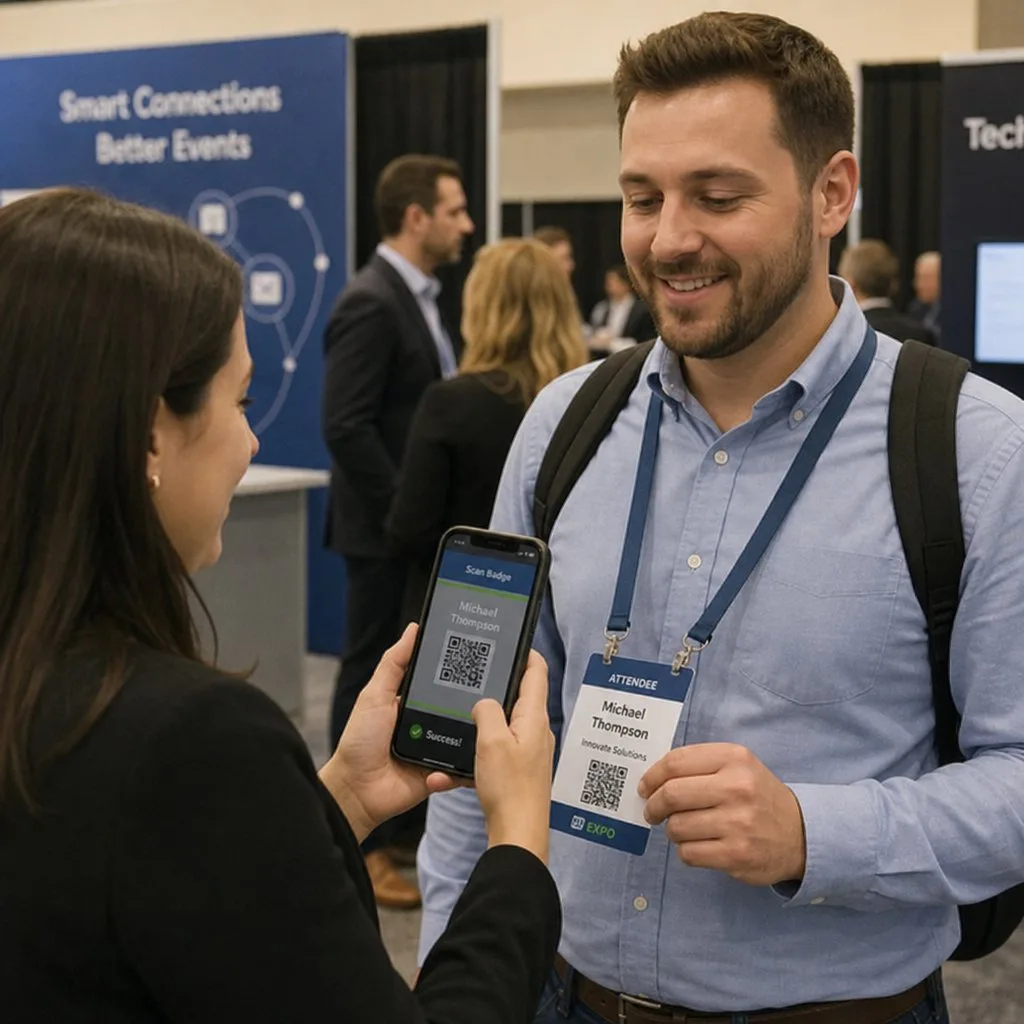
Tracking that lives in a standalone scanning app produces a CSV you then have to reconcile. Tracking that writes to your CRM produces a record on the attendee, immediately usable in reports, campaigns and follow-up. That is the difference between data you have and data you can act on.
With Kemicard, the scan validates the credential against the live Salesforce record — active, expired, already used — and records the event on the attendee. Duplicates and screenshots fail at the door. See the scanner documentation for the detail, or the registration guide for the step before it.
Measuring the event, not the guest list
Registrations tell you what people intended in advance. Attendance tells you what happened. The gap between the two is the most useful number your event produces, and most organisers never calculate it.
- Registration-to-attendance rate — the honest measure of how compelling the programme was, and the basis for next year's capacity planning.
- Arrival distribution — where the door staff should be, and when.
- Session-level dwell — which content earned the room and which emptied it.
- Repeat attendance across events — the closest thing to a loyalty signal a programme has.
Acting on it while the event is still running
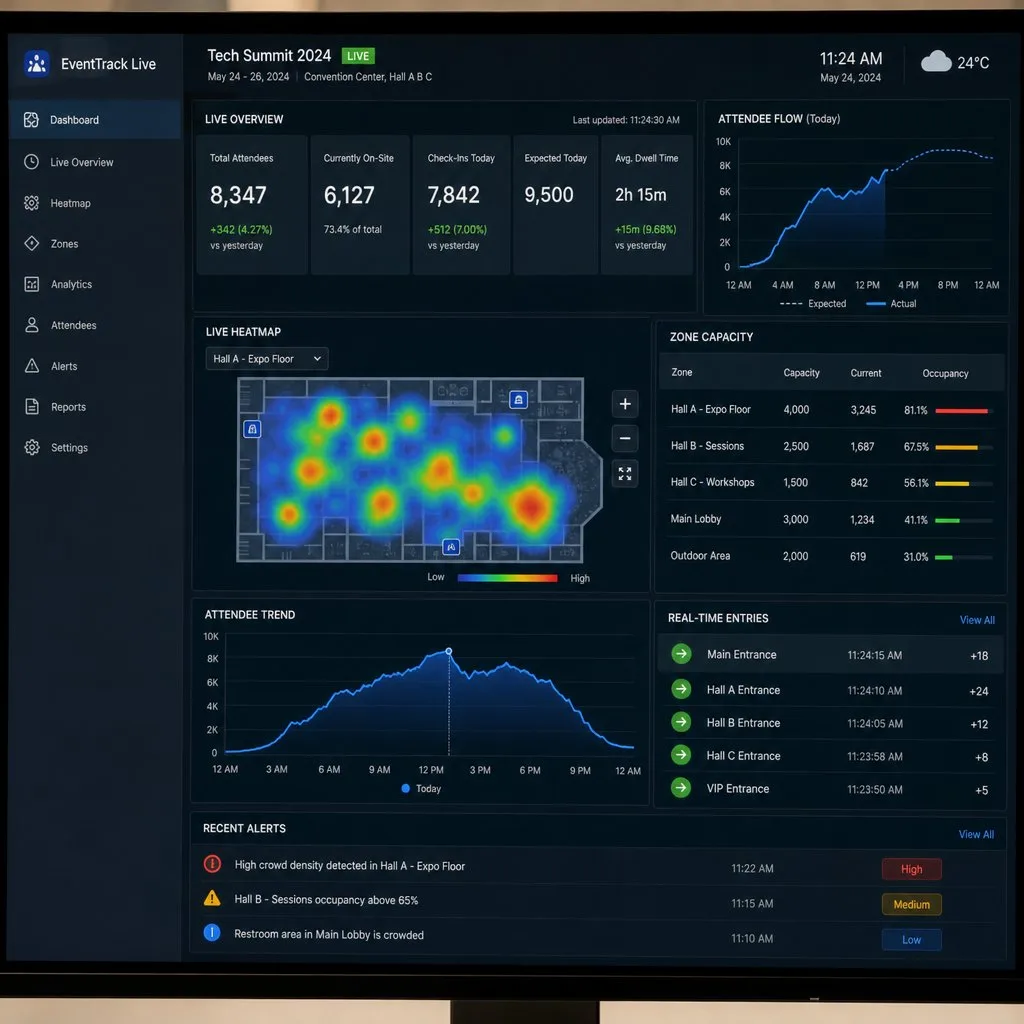
Most attendance data is read the following week, which is too late to be worth much. Live data is different in kind: reassign staff to the entrance that is backing up, open the overflow room before the corridor fills, ping a half-empty session on the lock screen while people can still walk to it.
None of that requires sophistication. It requires the number to exist while the event is on.
Follow-up that reflects reality
Attendees, no-shows and partial attendees deserve three different emails and usually get one. Attendance data on the contact record makes segmenting them trivial — and makes sponsor reporting a query rather than a reconstruction.
FAQ
- What if the venue Wi-Fi is poor? Plan for it. Test the scanning point on the venue's actual network before the day, not on the hotel lobby's.
- Do attendees need an app? No. Apple Wallet and Google Wallet are pre-installed, and the pass arrives via one link.
- Can we track more than the front door? Yes — a scan point per session or zone gives you movement data, not just an arrival count.
Explore Kemicard
Product & solutions

See Check-In Working on Your Own Data
Book a demo, test drive Kemicard, or start a free 30-day trial.
 Start Free Trial