
Location-Based Marketing Without the Creepiness
 By the Kemicard team
Reaching someone when they are two hundred metres from your door is the most valuable message you will ever send — and the easiest to get wrong. The difference is whether they asked for it.
Why proximity beats timing
Most marketing competes for attention at a moment of your choosing. Location-based marketing waits for a moment of theirs: near the store, at the venue, walking past the branch. Intent is already present; you are only removing friction.
That is why a modest offer delivered at the right place outperforms a generous one delivered at the wrong time.
The consent line
This only works because the person opted in by saving your pass. They chose to carry it. That is a meaningfully different relationship from an app that quietly tracks location in the background, and it is worth protecting:
- Trigger on arrival, not on movement. You do not need a trail, only a threshold.
- One message per visit. Repeated buzzing gets the pass deleted, which ends the channel permanently.
- Say something useful. "Your usual is ready to order" earns its place; "We miss you!" does not.
- Respect the hour. A geofence does not know it is 6am. You do.
Where it genuinely works
- Retail — a loyalty balance or reward surfacing as someone approaches.
- Hospitality — check-in details on arrival at the property, not in an email sent yesterday.
- Events — venue and session information on the lock screen as an attendee arrives.
- Campus and workplace — building access reminders and location-specific notices.
- Transit and parking — permit status where it is about to be checked.
How it works with a wallet pass
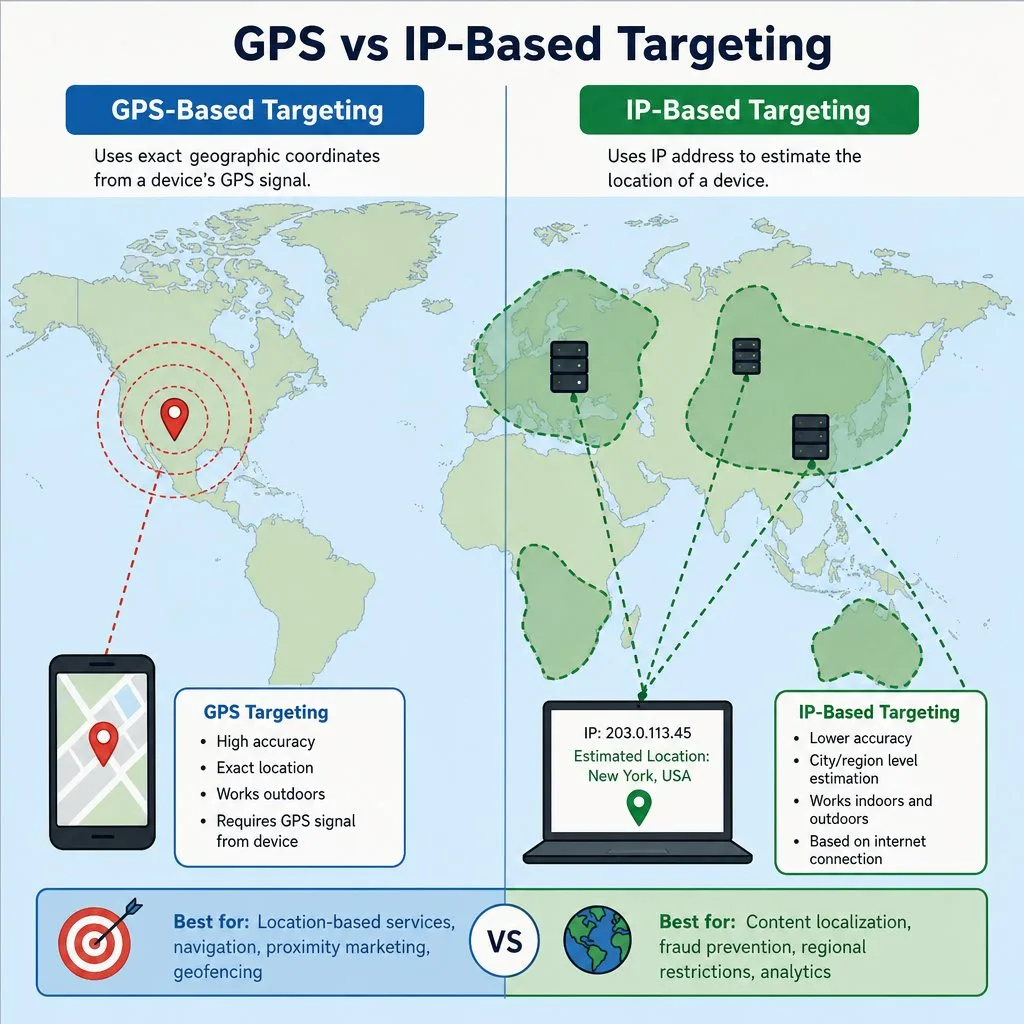
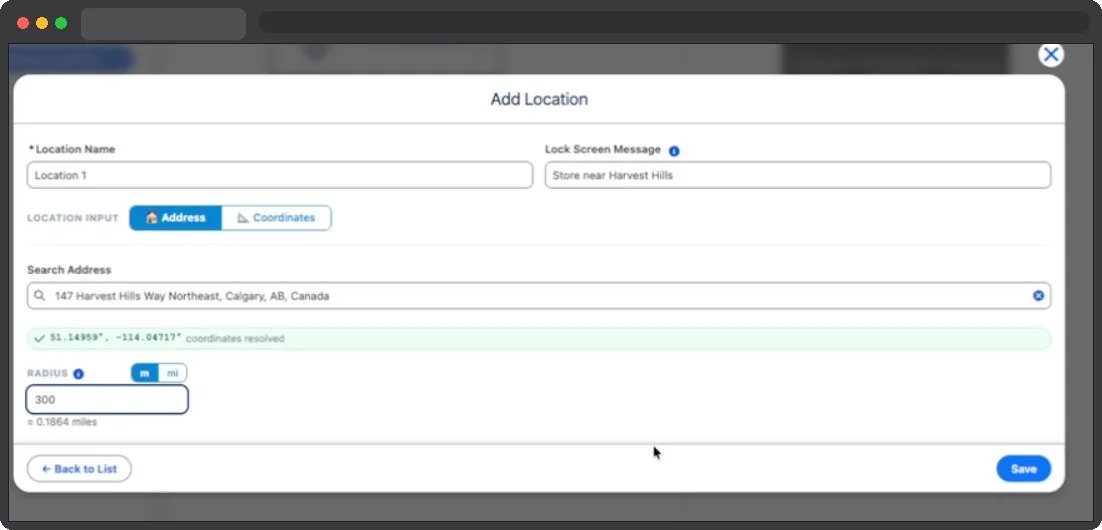
The pass carries the location trigger. When the holder comes within range, the pass surfaces on the lock screen with your message. No app, no background service, no separate permission dialogue beyond the wallet the person already trusts.
Apple's implementation is the stronger of the two today; Google's location support is more limited. Kemicard configures the geofence at the template level — see notifications and geofencing.
Measuring it honestly
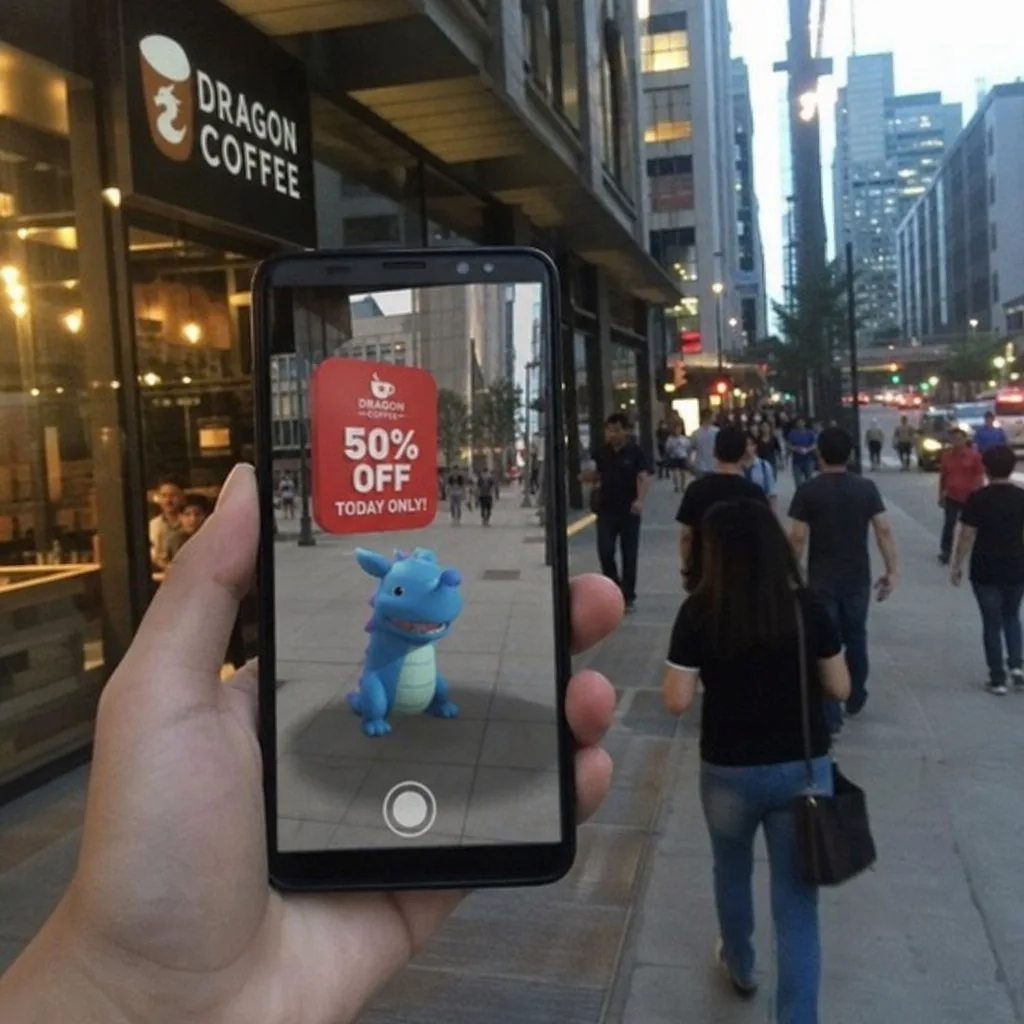
The temptation is to measure sends. Measure arrivals instead: scans that follow a notification, redemption rate by location and hour, and the ratio of notified to attended. Those numbers tell you whether the message changed behaviour; send counts only tell you that you were busy.
Because scans write back to Salesforce, that analysis is a report rather than an export. See wallet pass analytics.
FAQ
- Do we need the customer's precise location? No. The device evaluates the geofence locally; you are not collecting a location history.
- How many locations can one pass carry? Enough for a normal estate — check the per-platform limits for very large chains.
- Does it work on Android? Partially. Plan the campaign around Apple's capability and treat Android reach as a bonus.
Explore Kemicard
Product & solutions

Reach Customers at the Door, Not in the Inbox
Book a demo, test drive Kemicard, or start a free 30-day trial.
 Start Free Trial