

The Evolution of Customer Loyalty Cards — and What Works Now

 By the Kemicard team
From cardboard punch cards to plastic swipe cards to live wallet passes — the loyalty card has evolved every decade, but its job hasn't changed: recognize people, reward them, and bring them back. Here's how reward programs actually work today, and which structure fits your business.
Why consumers love loyalty cards
The psychology is simple: visible progress toward a real reward. Customers enjoy watching points accumulate, unlocking status, and feeling recognized at the counter — and enrolled members consistently spend more per visit and return more often than non-members.
Understanding reward structures
- Points-based — earn per dollar or visit, redeem for rewards. Simple, universal, and easy to explain.
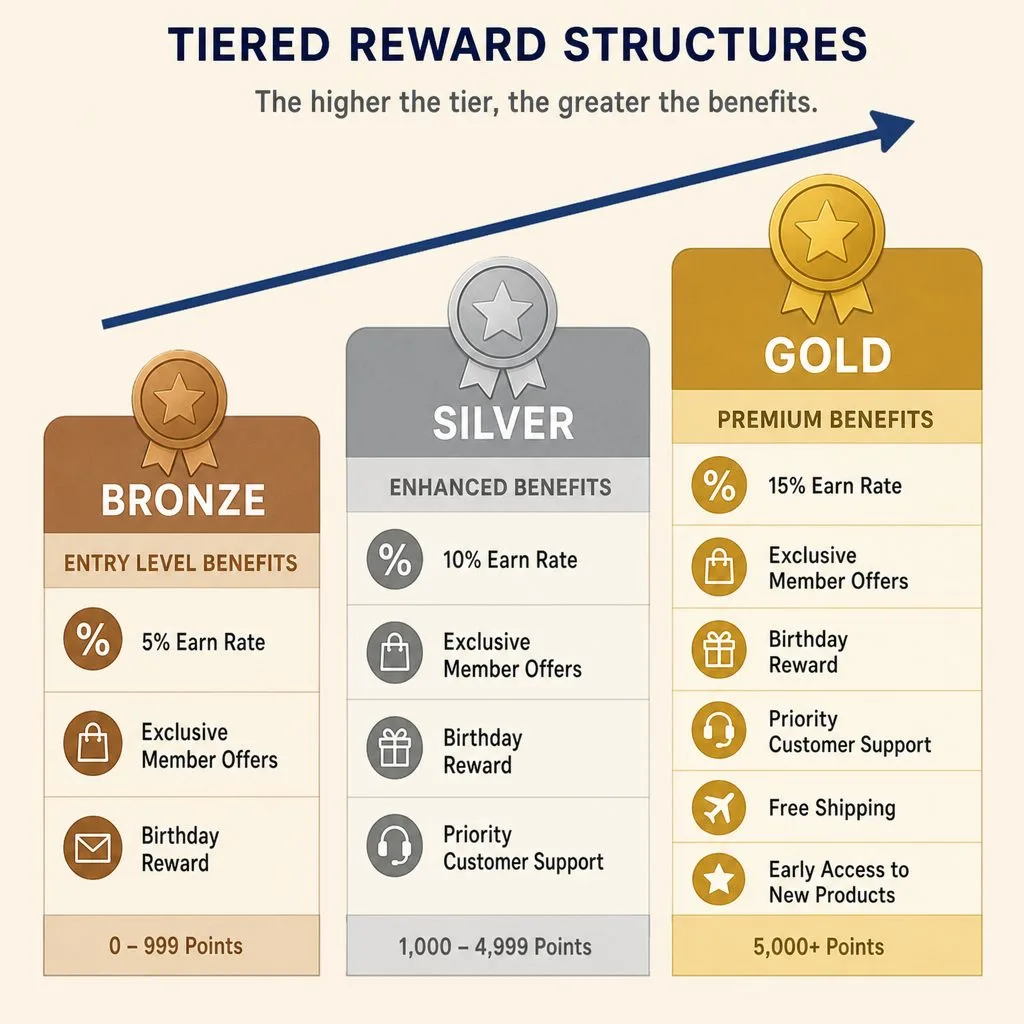
- Tiered — Bronze/Silver/Gold status with escalating benefits. Creates aspiration and protects your best customers from churn.
- Punch-style — buy nine, get one free. Perfect for high-frequency, low-ticket businesses like cafés.
- Cashback and perks — a percentage back, or member-only pricing and early access. Strong for retail and eCommerce.
The tech behind the scenes
Modern programs run on three connected pieces: a system of record (your CRM), a card the customer actually carries (a wallet pass — see how digital loyalty cards work), and automation that reacts to behavior. On Salesforce, that's your existing org — with Salesforce Loyalty Management for complex earn/burn rules or plain Flows for simple ones — plus Kemicard rendering the card in Apple and Google Wallet.

Building a winning strategy
Pick the structure that matches your visit frequency, make joining a one-tap act, seed the first reward, and measure relentlessly — active cards, redemption rate, and repeat-visit lift. Then iterate on the reward loop. The full playbook: customer retention strategies and designing the card itself.
Before plastic: tokens, stamps and trade checks
Loyalty is older than the card. Nineteenth-century merchants issued metal tokens and paper trade checks redeemable against future purchases — physical proof of a relationship, handed over at the counter. The stamp book followed, then the punch card, and the mechanic barely changed for a century: collect a physical thing, present it, receive a reward.
The weakness was always the same. The proof lived entirely with the customer. Lose the book and the relationship reset to zero, because the merchant had no record of it either.
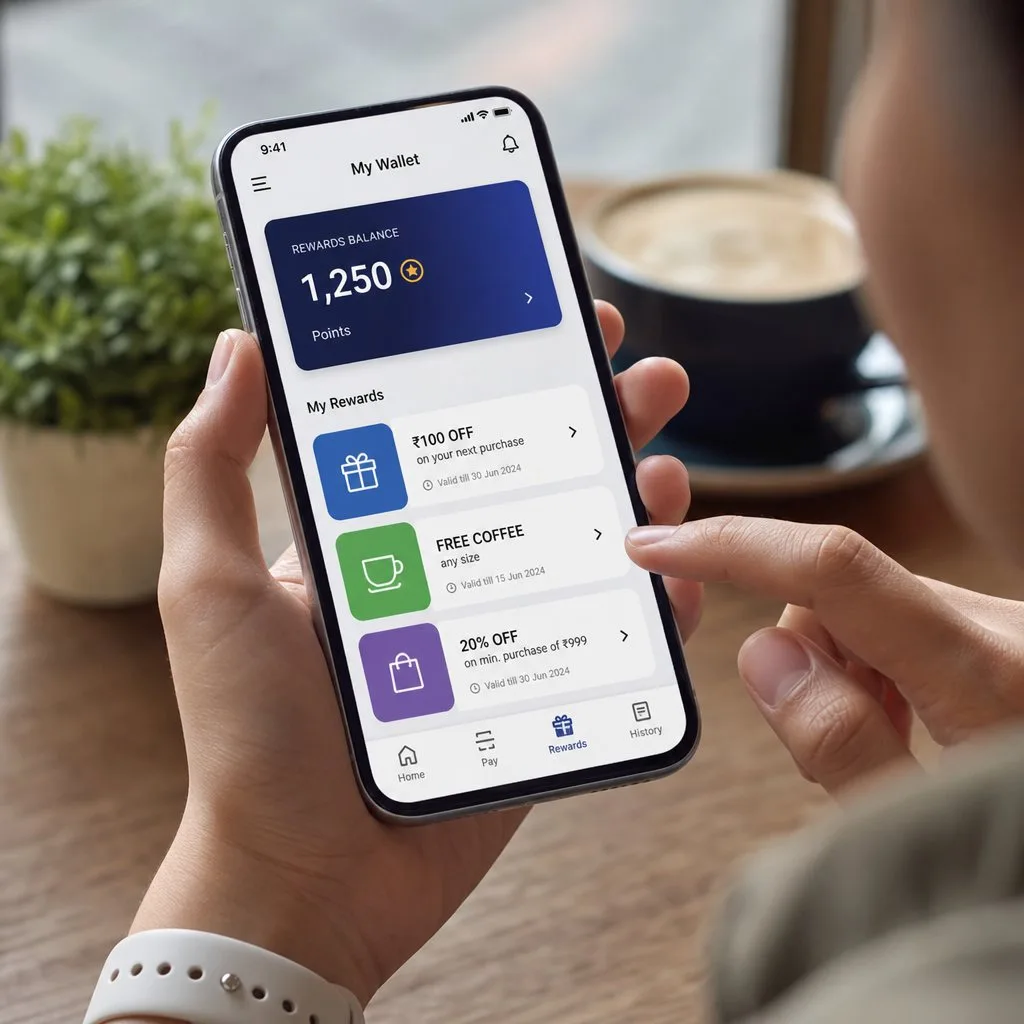
Plastic solved the durability problem and introduced a new one: a card that carries a number but no state. The merchant learned who you were, but the card still could not tell you your balance, and it could not change once issued.
Explore Kemicard
Product & solutions

Give Your Program a Card Worth Keeping
Book a demo, test drive Kemicard, or start a free 30-day trial.
 Start Free Trial