

Customer Retention Strategies: The Modern Loyalty Playbook
 By the Kemicard team
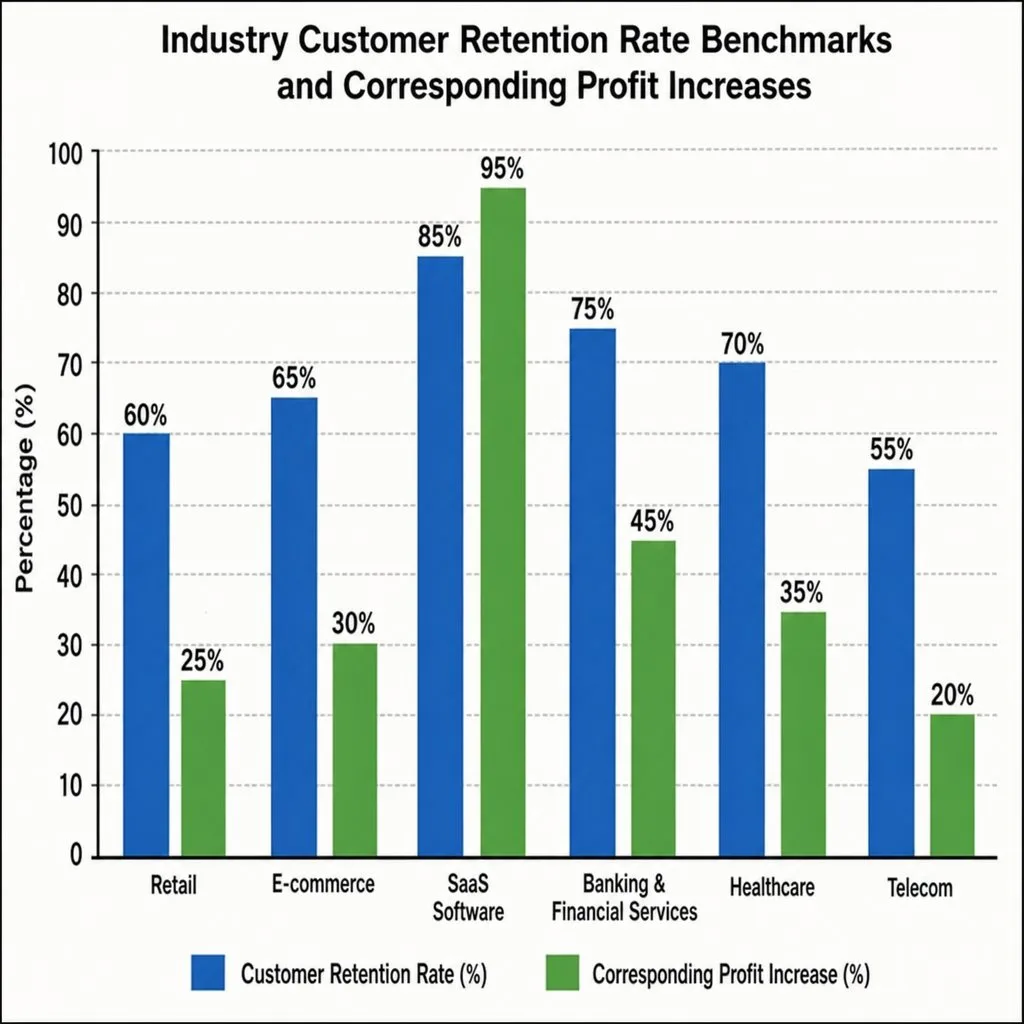
Acquiring a new customer costs five to seven times more than keeping one — and a small lift in retention compounds into outsized profit. That economic reality is why retention has shifted from an afterthought to the core growth strategy in retail and membership businesses alike.
Design the program before the tech
Start with three decisions: what behavior you reward (visits, spend, referrals, engagement), what the reward ladder looks like (points, tiers, or both — see reward structures compared), and what your best customers get that others don't. A program that rewards everything rewards nothing.
Make the experience frictionless
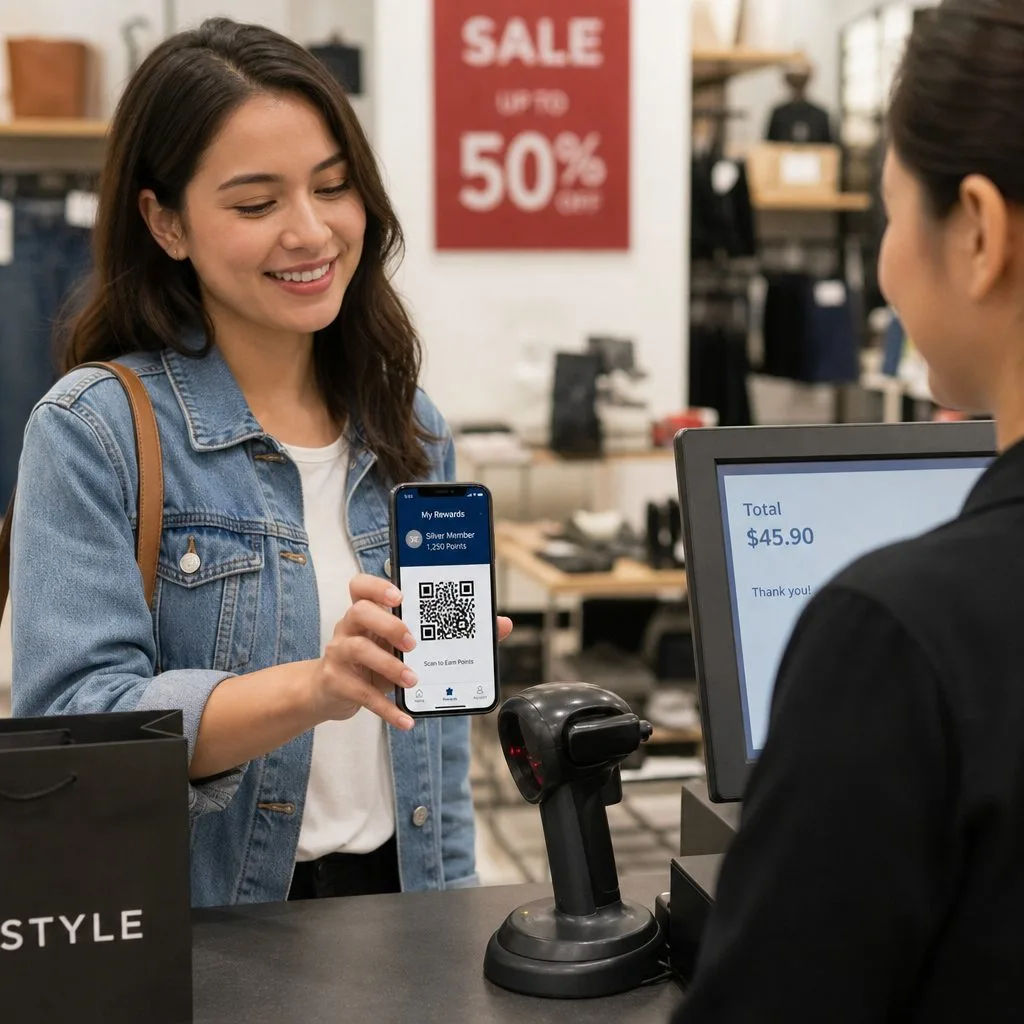
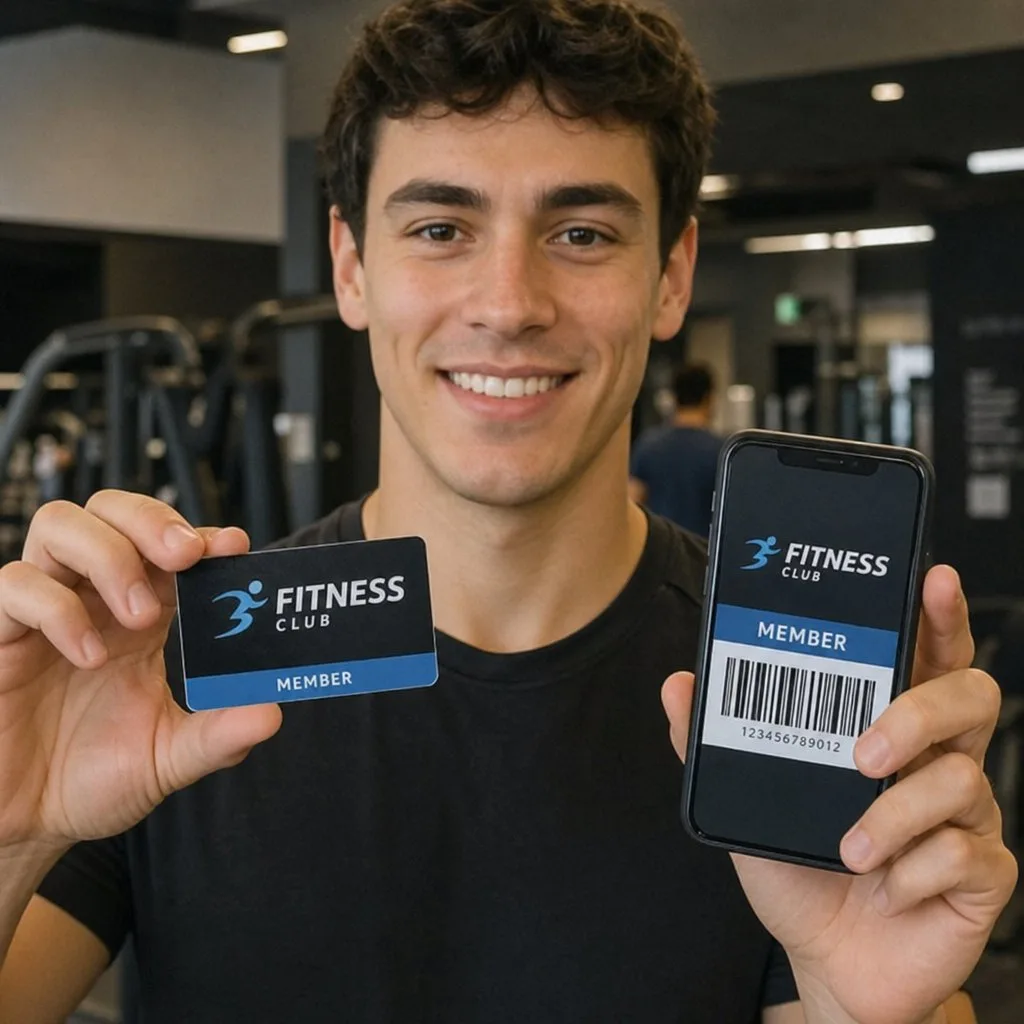
Every step you remove doubles participation: QR-code enrollment at the counter, a card that installs to Apple or Google Wallet in one tap, automatic earn on scan, and rewards that surface on the lock screen when they're redeemable. No app downloads, no logins, no printed coupons — the post-punch-card experience.
Combat churn with data
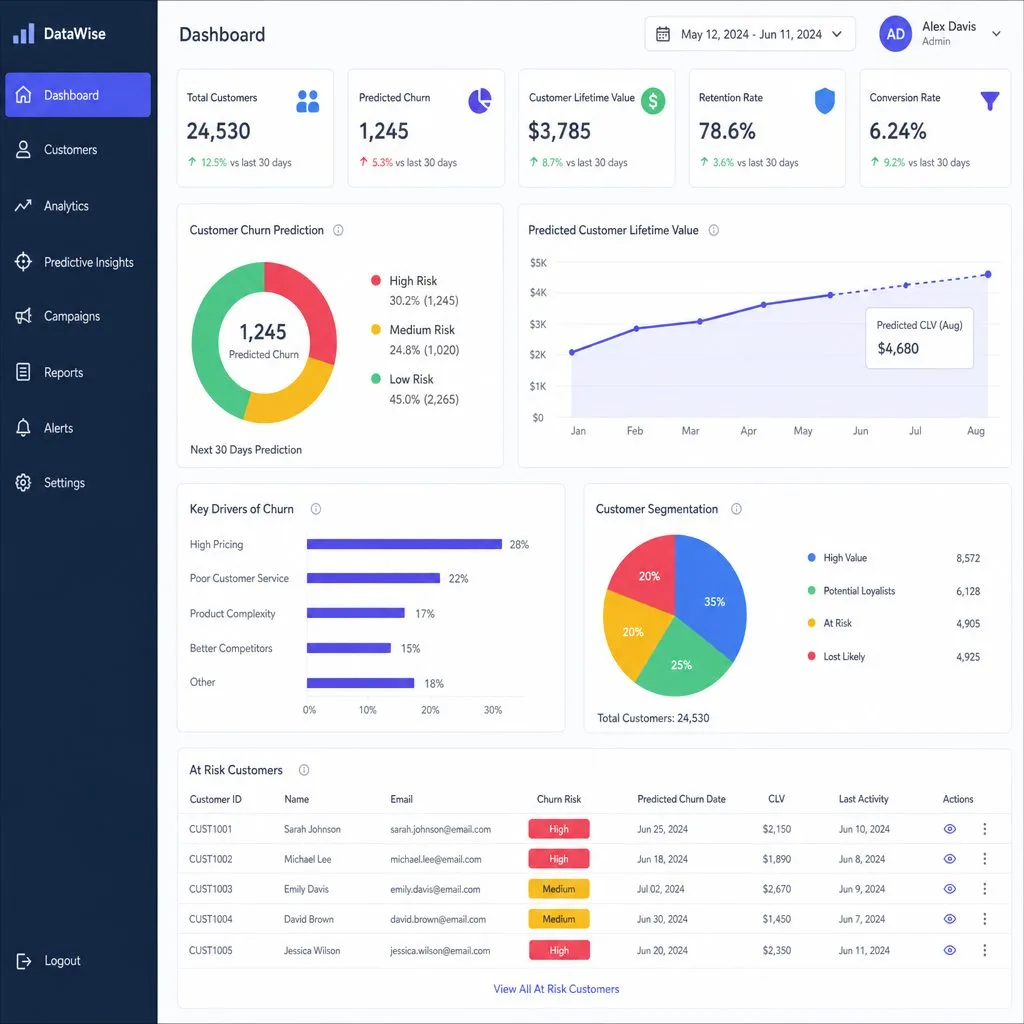
Retention is won in the quiet moments: the member who hasn't visited in 45 days, the tier about to expire, the points about to lapse. When loyalty data lives in Salesforce, those moments become triggers — a Flow or a Salesforce Marketing Cloud journey sends the win-back offer, updates the card, and pushes a lock-screen nudge automatically. Service Cloud agents see the same loyalty context on every case.
Go omnichannel — one identity everywhere
The customer is one person online, in-store, and at your events; your program should treat them that way. A wallet card carrying a single identity, scanned at any touchpoint and written back to one CRM record, is the simplest honest version of omnichannel loyalty.
Points or tiers? They solve different problems
The two dominant structures are not interchangeable, and choosing by preference rather than by fit is the most common design error.
- Points suit frequent, low-value purchases. A coffee shop or a supermarket, where the reward is reachable within weeks and the maths is obvious at the till.
- Tiers suit infrequent, high-value relationships. Travel, professional services, premium membership — where status and access matter more than a discount, and where the customer is playing a longer game.
- Hybrids work when points determine the tier. They fail when the customer needs a diagram to understand what they have earned.
The test is the same in every case: can a customer explain the scheme to a friend in one sentence? If not, the design is wrong regardless of how elegant the mechanics are.
Why reward programmes fail
Most do not fail loudly. They simply stop being used, and the business keeps paying for them.
- The reward is too distant. If the first meaningful milestone is twenty purchases away, the majority never reach it and stop trying long before that.
- Enrolment asks too much. An app download, an account, a form at a busy counter. Every step loses people, and the ones it loses are the casual customers the programme was meant to convert.
- Nobody owns it. A loyalty scheme needs someone deciding what to send and watching the numbers drift. Unowned programmes go quiet within a quarter.
- It rewards discount-seekers. A scheme that only ever discounts trains customers to wait for discounts, which is a margin problem disguised as a loyalty programme.
- The data goes nowhere. If enrolments sit in a system disconnected from the customer record, the programme generates activity but no insight.
Gamification, used sparingly
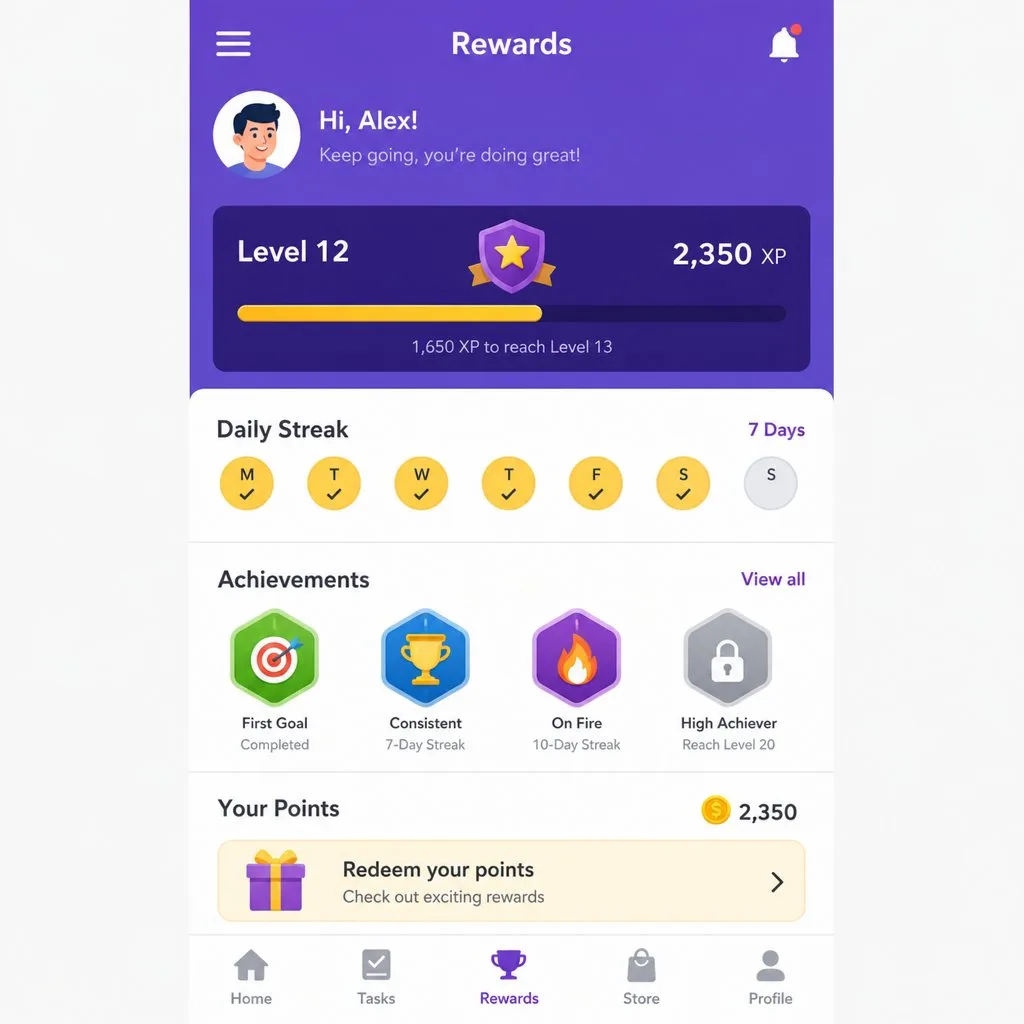
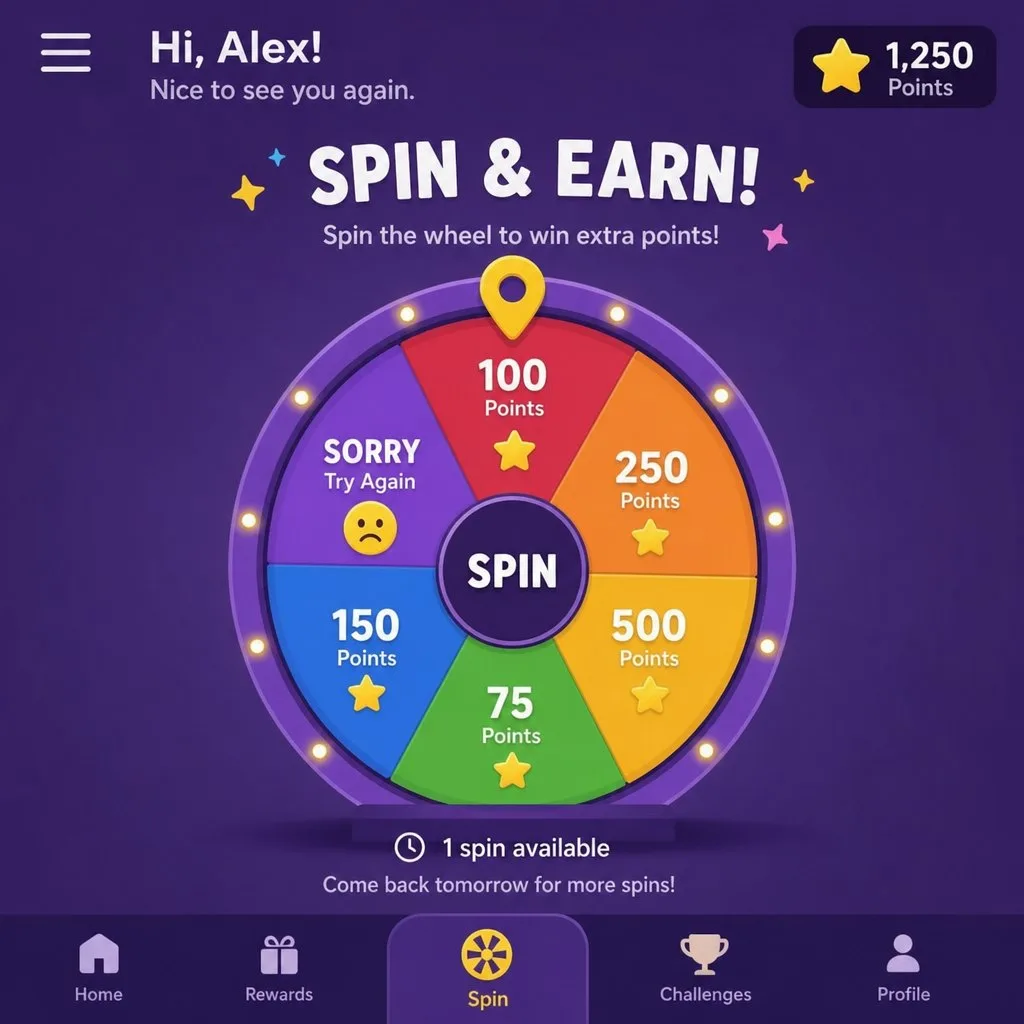
Streaks, challenges and progress bars work when they reflect something the customer already cares about — visits to a gym, books borrowed, shows attended. They stop working the moment they feel like a mechanic invented to extract behaviour.
The honest test: would the number on the card change what someone does this week? If not, it is decoration.
The metric is lifetime value, not sign-ups
Enrolment numbers are the vanity metric of loyalty programmes. They are easy to produce, they always go up, and they say almost nothing.
- Repeat rate — the share of joiners who came back at all. The first honest signal.
- Purchase frequency before and after joining, for the same cohort. This is the closest thing to proof the programme is doing anything.
- Average order value among members versus non-members.
- Lapse rate — members inactive for sixty days. Your re-engagement list, and the number a paper card could never produce.
- Redemption rate. Very low redemption is not a saving; it means the reward is unreachable and the programme is not working.
One customer, not one per channel
The structural problem behind most underperforming programmes is that the online account and the in-store card are separate records. The customer notices — they are treated as a stranger in the shop after a year of buying online — and the business cannot see its best customers because each system holds half of each one.
A wallet pass helps here for an unglamorous reason: it is one credential that works in both worlds, scanned at a till and referenced online, pointing at a single record. We cover the sequencing in omnichannel loyalty.
Personalisation needs something to personalise on
Teams routinely buy a personalisation tool before they have a unified customer record for it to work against, and then conclude personalisation does not work.
The order matters: unify identity, give the customer one credential, make every channel write back to the record, and only then personalise. Done in that sequence it is straightforward. Done in reverse it is expensive and disappointing.
A note on data security
A loyalty programme accumulates purchase history, which is more sensitive than most teams treat it as. Two principles keep it defensible: collect what you actually use, and keep the data in your system of record rather than scattered across a loyalty vendor, an email tool and a POS extract. Running the programme inside Salesforce means the customer's data stays under the controls you already operate.
Measure what matters
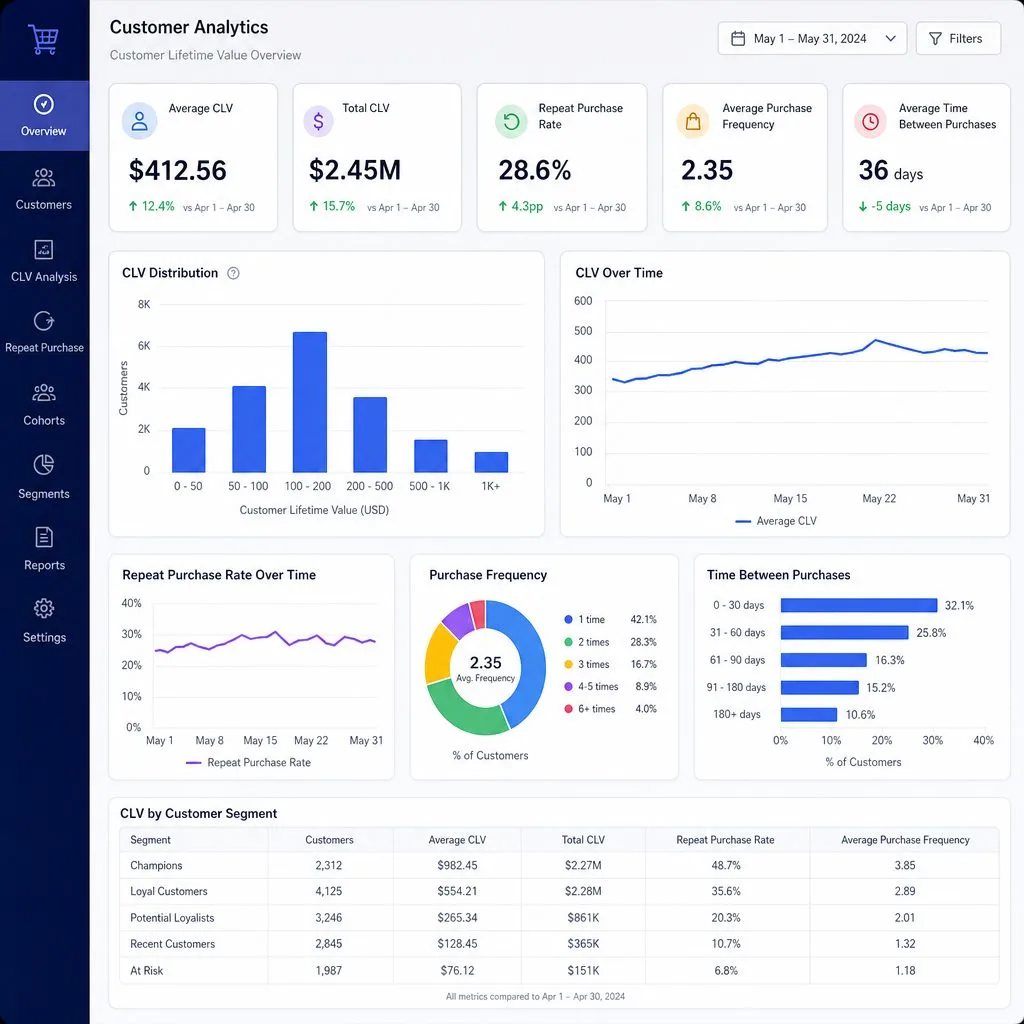
Track repeat-purchase rate, customer lifetime value, redemption rate, and active cards — natively in Salesforce reports, or deeper with CRM Analytics. Full detail in wallet pass analytics, and the platform view on loyalty programs.
The channel is the asset, and it is finite
Points are the visible part of a loyalty programme. The lock-screen channel is the valuable part — the ability to reach a customer without paying for reach, without an algorithm deciding who sees it, and without landing in a Promotions tab.
That privilege is spendable. A message a week is a brand people mute. A message when there is genuinely something worth knowing keeps working for years. Treating the channel as inventory to be filled is the fastest way to lose it, and unlike an ad budget you cannot buy it back.
The three numbers worth watching
- Repeat rate — what share of joiners came back at all. Low means the reward is too distant, not that the audience is wrong.
- Visits to first reward — how long the scheme asks people to wait before anything happens. This is the number most programmes set once and never revisit.
- Lapse rate — members inactive for sixty days. This is the re-engagement list a paper card could never produce, and the one most worth acting on.
Further reading: tiered loyalty programmes and why status works, and how the three shapes of loyalty software compare.
Explore Kemicard
Product & solutions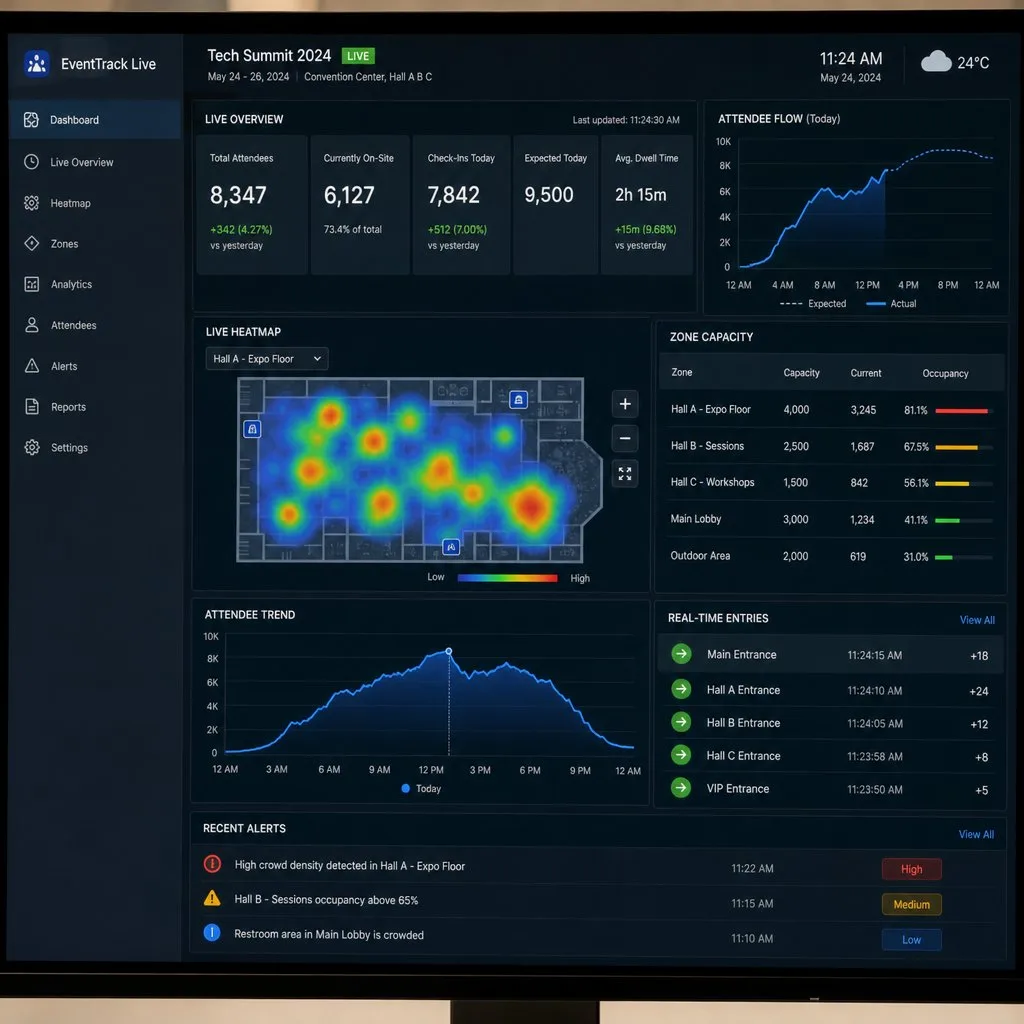
Turn Retention Into Your Growth Engine
Book a demo, test drive Kemicard, or start a free 30-day trial.
 Start Free Trial