

Designing a Points Reward System People Actually Use

 By the Kemicard team
Most points programmes fail in the same two places: the customer cannot see their balance without effort, and the reward is too far away to feel real. Both are fixable, and neither is a technology problem first.
Start with the reward, not the mechanic
Before deciding how points accrue, decide what they buy and how long it takes an average customer to get there. If a typical shopper needs eleven months to earn anything, you have not built a loyalty programme — you have built a discount that almost nobody claims.
A useful test: could a regular customer earn something meaningful within a month? If not, shorten the ladder or add an interim reward.
Visibility is the whole game
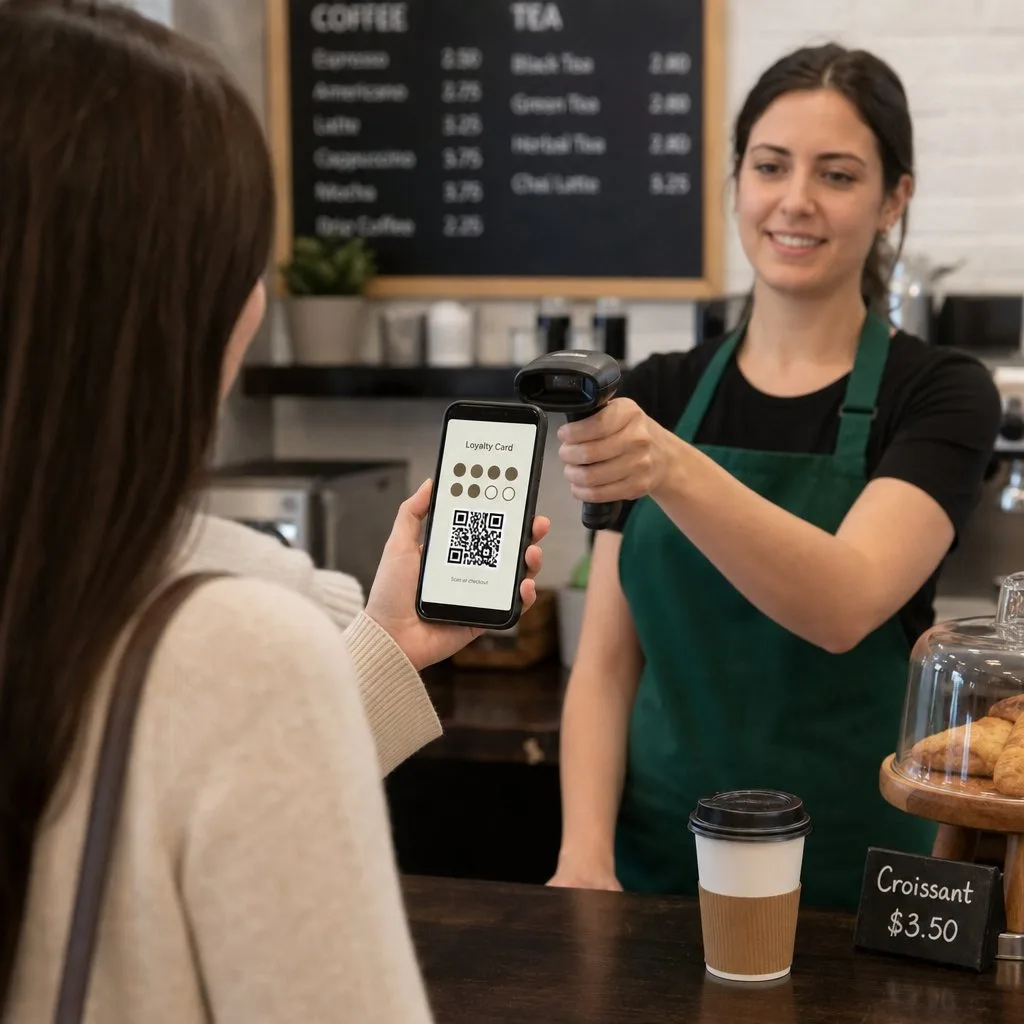
A balance that requires logging in is a balance nobody checks. On a wallet card the number sits on the front, updates the moment it changes, and appears every time the customer opens their wallet to pay for something else.
That single change — from "log in to check" to "already on the screen" — moves redemption rates more than most reward redesigns.
Incentive structures that hold up
- Seed the balance. Never start a customer at zero — starting at 50 of 100 feels closer than starting at 0 of 50, though the effort is identical.
- Show the gap. "40 points from your next reward" outperforms "you have 160 points".
- Tier for recognition, not just discount. Status is cheaper to give than margin and is often valued more.
- Reward the behaviour you want repeated — a second visit within a fortnight, not just spend.
- Expire points slowly and warn loudly. Silent expiry is the fastest way to lose a good customer.
Measure the loop, not the sign-ups
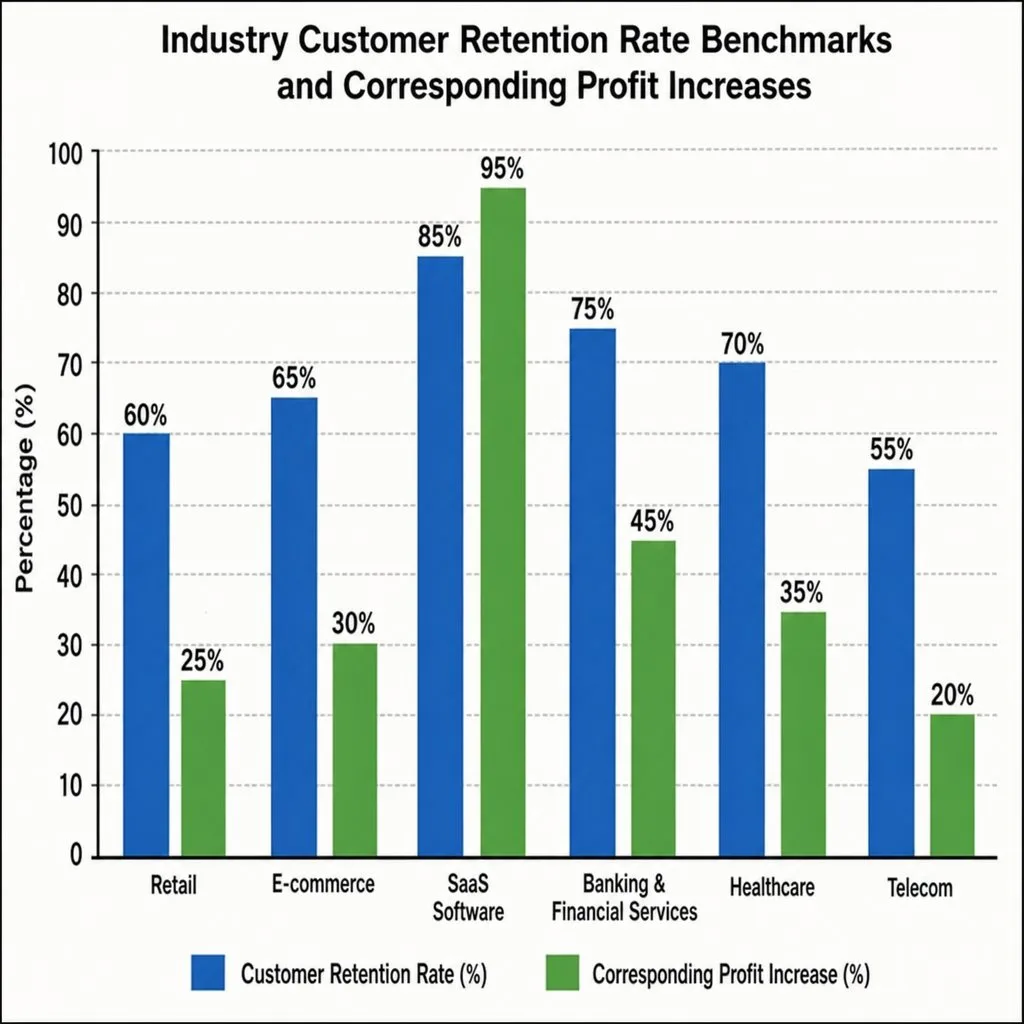
Enrolment numbers flatter everyone. The metrics that matter are active cards, redemption rate, and repeat visit interval before and after joining. If redemption is low, the reward is too distant. If visit interval has not moved, the programme is paying for behaviour you were getting anyway.
Because every earn and burn is a Salesforce record, that analysis is a dashboard rather than a data project. See wallet pass analytics and retention strategies.
Where this sits technically
Kemicard renders the card from the customer record you already keep — it complements Salesforce Loyalty Management if you run it, and works from plain Sales or Service Cloud if you do not. Points change in Salesforce; the card updates. See loyalty programs and the digital loyalty cards guide.
FAQ
- How quickly does a balance update? Silently over push, usually within moments of the record changing.
- Can we run tiers and points together? Yes — tier is a field, and can switch the card design automatically.
- What about customers without smartphones? The same barcode works on a printed card.
Explore Kemicard
Product & solutions

Show Every Customer Their Balance
Book a demo, test drive Kemicard, or start a free 30-day trial.
 Start Free Trial