
Digital Cards & Client Passes for Law Firms
Firm-issued digital business cards for every fee earner, client credentials that carry the matter contacts, and referral tracking that lands in Salesforce instead of a stack of paper cards on a desk.
 Try on AppExchange
What law firms use Kemicard for
Attorney cards
A firm-controlled digital card per fee earner — headshot, practice area, direct line, booking link. A promotion changes the title on the card, not the print order.
Client passes
Give a client the matter reference, their relationship partner's direct contacts and the out-of-hours number on a pass they cannot mislay between hearings.
Event & CLE tracking
Scans at bar association events and seminars write back to the Lead or Contact, which is the first time most firms can see what conference attendance actually returned.
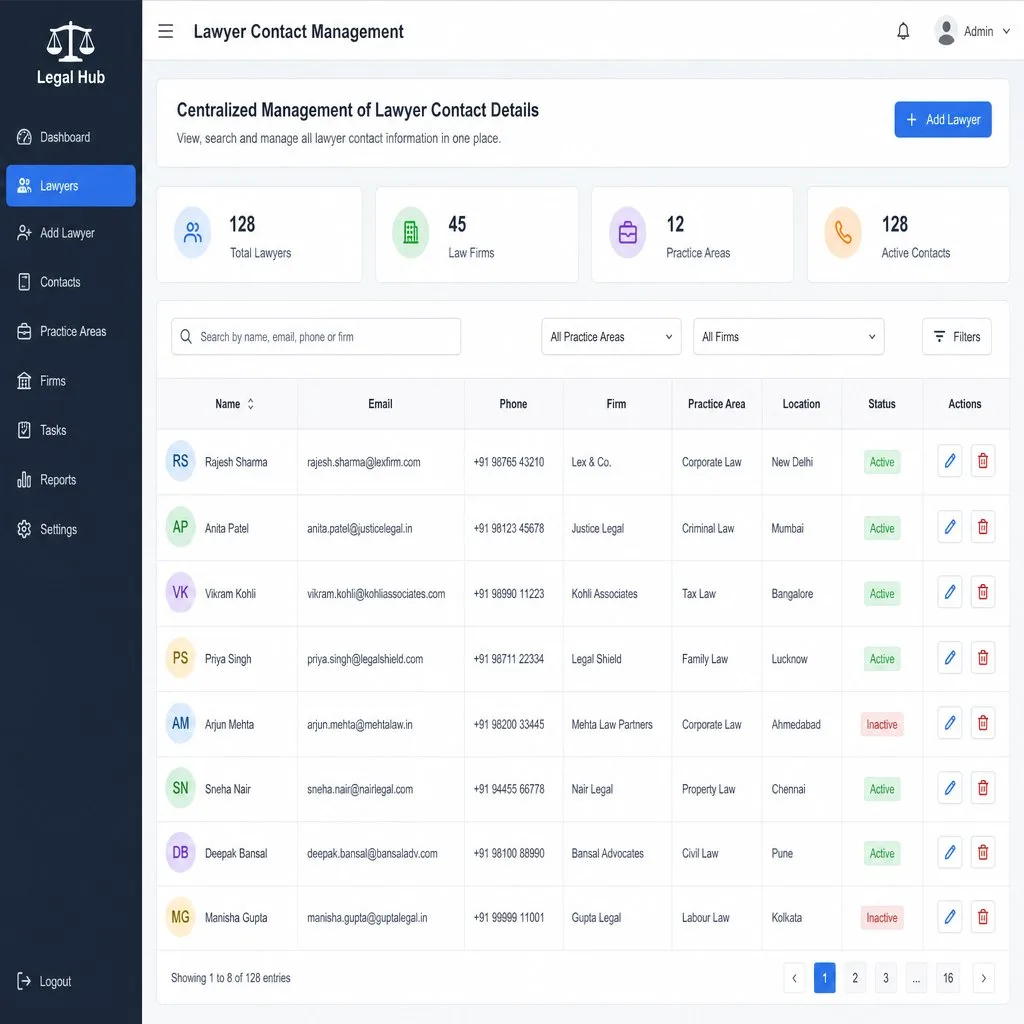
The Card Handed Over at a Conference Rarely Becomes a Matter
A paper card depends on the recipient choosing to act. They keep it, they remember why they kept it, and at some point they type it into something. Most of the time none of that happens, and the firm never learns which conferences were worth attending.
A scanned digital card closes the loop at the moment of the exchange. The contact reaches the CRM immediately, attributed to the fee earner and the event, and a follow-up can be triggered while the conversation is still recent.
That attribution is the part managing partners tend to care about most. Business development spend at conferences is significant and almost entirely unmeasured; scan counts and downstream conversions turn it into something a committee can actually discuss.
One Firm, One Standard, Centrally Controlled
- Templates the firm owns. Marketing sets the layout, the colours and the disclaimer wording once; every fee earner's card inherits it.
- Titles that stay accurate. An associate making partner is a field change on a record, reflected on the card the same day — including on cards already shared.
- Departures handled properly. When someone leaves, their card is revoked centrally. Paper cards already in circulation cannot be recalled; a pass can.
- Practice-area variants. A corporate card can link to recent transactional publications while a personal injury card links to a case evaluation form, without leaving the firm template.
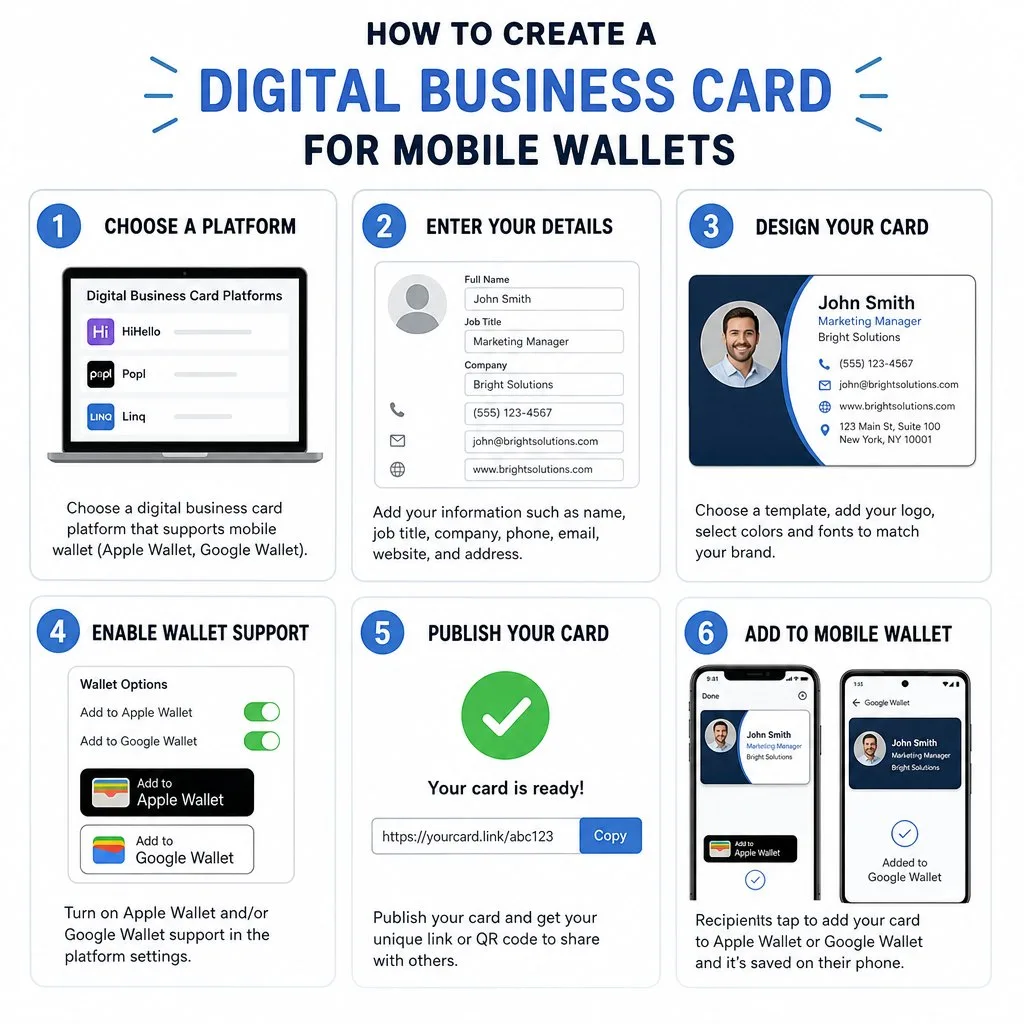
- Nothing to install. A recipient adds the card to Apple Wallet or Google Wallet. No app download, which is where most digital card schemes lose people.
Client Confidentiality Is Not Negotiable
Firms are right to interrogate any new channel that touches client data. Three things are worth being precise about.
- The pass carries what you put on it. A matter reference and a phone number are appropriate; matter detail is not. Nothing privileged needs to leave the system of record for the pass to be useful.
- Sharing is deliberate. A card is exchanged when the holder shows a code or taps a device. There is no passive broadcast, and no directory anyone can browse.
- It stays in your org. Kemicard is a Salesforce-native application. Client data is not copied to a third-party card service to be rendered.
Firms with data residency obligations should raise them on the first call — the answer depends on your Salesforce instance, and it is better established early than assumed.

Suite 2100, 10180 101 Street NW
Edmonton, AB T5J 3S4
The Back of the Card: Reachable Without a Search
The direct line, the out-of-hours number, the booking link and the practice areas — on a card the client cannot mislay between hearings.
A promotion, a new direct line or a change of office updates the field on the record, and every card already shared reflects it. Paper cards in circulation cannot be recalled; these can.
Legal, in practice
Law firms are unusual among professional services in how much of their business development runs through individual relationships rather than the firm's marketing function. That is why the paper card survived so long here: it belongs to the fee earner, not the firm. The tension is that the firm is accountable for the brand, the accuracy of the credentials and what happens to a departing partner's contacts, and a drawer full of printed cards gives it none of that.
A firm-issued wallet card resolves the tension without taking the relationship away from the fee earner. The card is theirs to share, in the moment, in the room. The template, the data and the revocation are the firm's. Both parties get the thing they actually needed.
The second use case — client-facing passes — is less common and worth considering carefully. It works well where a client has a long-running relationship and a recurring need to reach the right person quickly: a general counsel with a panel firm, a claimant through a lengthy matter, a corporate client with several concurrent instructions. It works poorly as a novelty. If the pass does not save the client a search through their email for a phone number, it is not earning its place.
Everything here runs from Salesforce. If your firm already manages contacts, matters and business development in the platform, the card renders from those records directly. See how it works, or the same pattern in real estate, where the professional-networking case is nearly identical.
Legal — the brochure
A one-page summary for a conference table or an email, or the six-page version for the colleague who has to approve it. Both cover what you can issue, how it works, and the push and back-of-card examples for legal.
Further reading
From the blog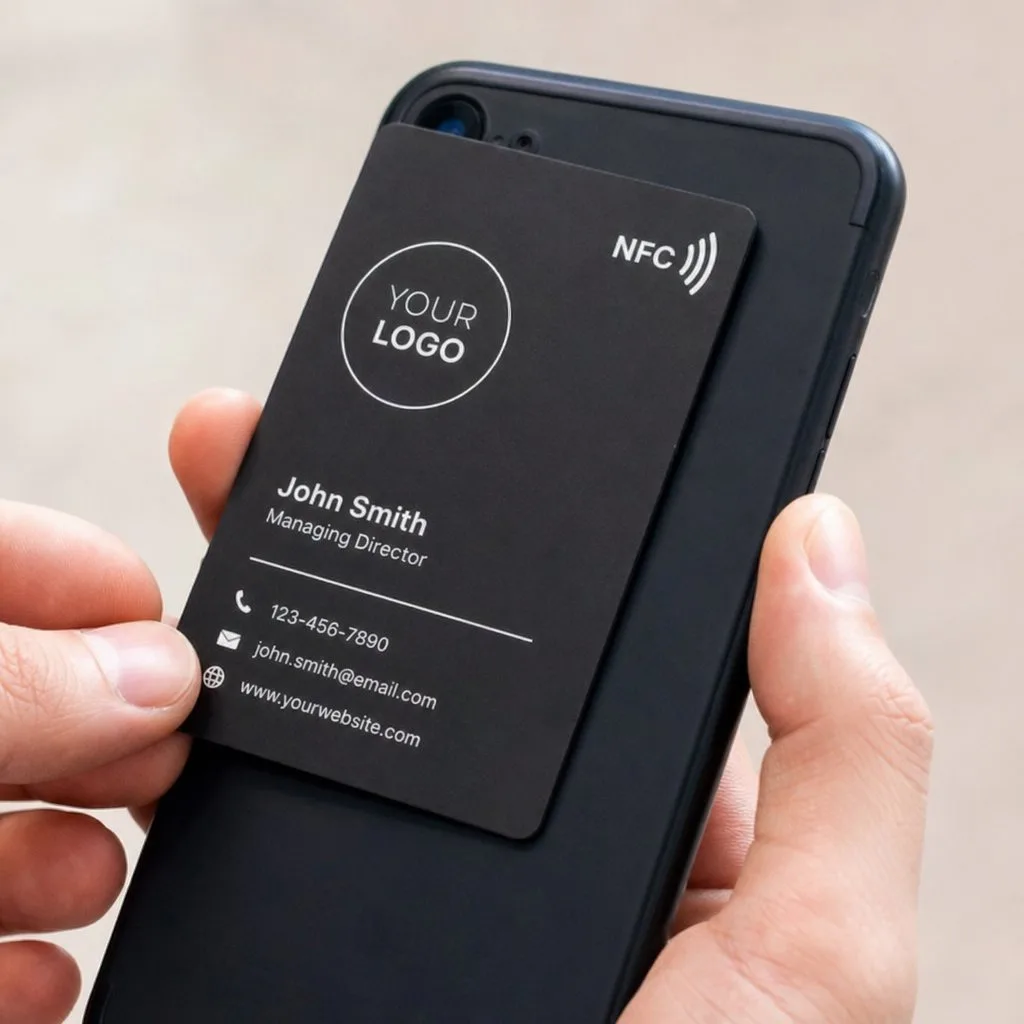

Modernise the Firm's Networking Toolkit
See attorney cards and event attribution running on your own Salesforce org.